What is solar system integration, and how does it work? Solar system integration involves developing the technologies and tools necessary to connect solar energy to the electrical grid while ensuring the grid's reliability, safety, and operational efficiency.
The Electrical Grid
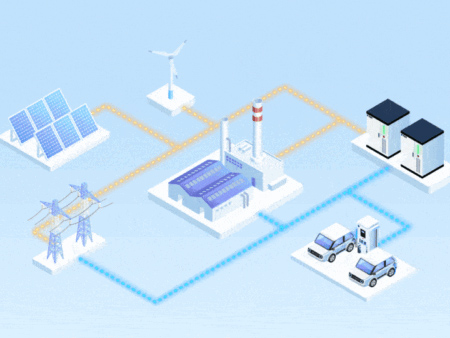
For much of the past century, the electrical grid relied primarily on large, centralized power generation facilities located far from end-users. Modern grids are far more complex. In addition to large utility-scale power plants, they incorporate variable renewable energy sources (such as solar and wind), energy storage systems, power electronics (like inverters), and smaller-scale generation systems such as rooftop photovoltaics and microgrids. These smaller, widely distributed energy sources are commonly referred to as Distributed Energy Resources (DERs).
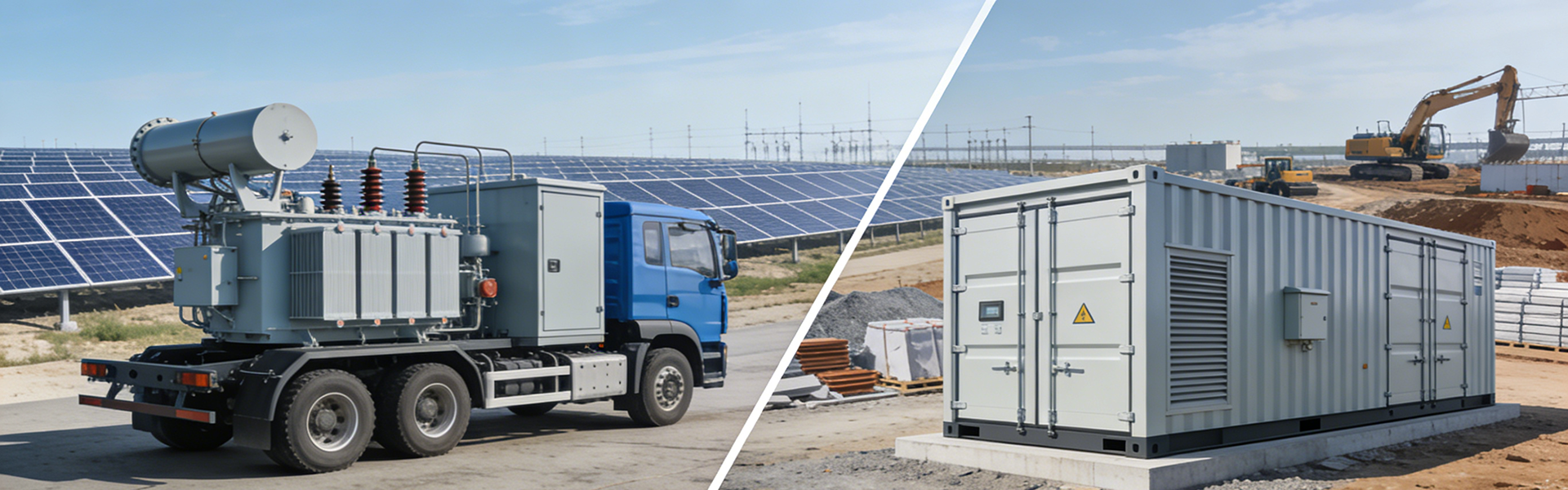
The grid is divided into transmission and distribution systems. The transmission grid consists of a network of high-voltage lines that transport electricity generated by centralized sources—such as large power plants—over long distances while minimizing energy loss. The distribution grid comprises the low-voltage lines that connect directly to homes and businesses. Substations and transformers handle the voltage conversion between high and low levels. Traditionally, power flowed in only one direction within these systems: from centralized sources to end-users. However, the emergence of systems like rooftop solar requires the grid to handle bidirectional power flow, as these systems can feed excess generated electricity back into the grid.
Power Electronics
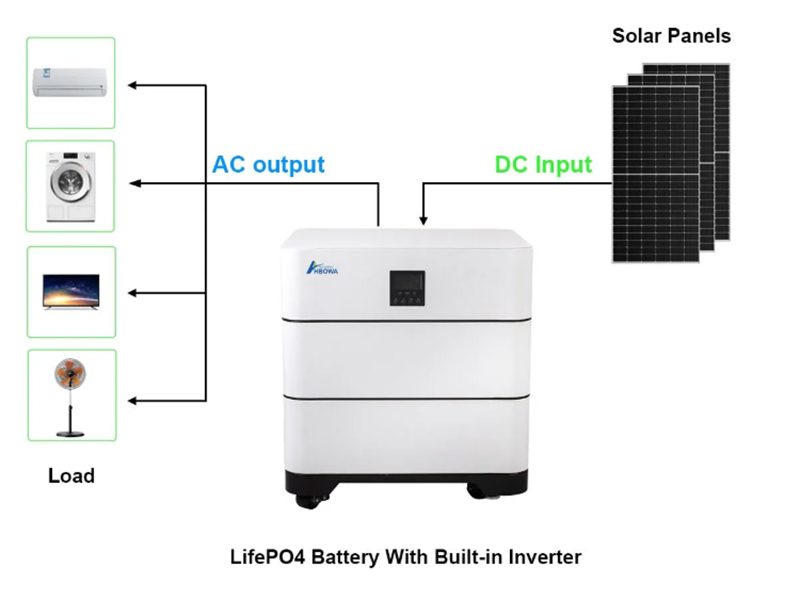
The increasing share of solar energy and DERs in the grid necessitates the integration of more power electronics—devices responsible for converting energy from one form to another. Depending on the direction of power flow and the intended application, this conversion process may involve stepping voltage up or down, regulating power flow, or converting between direct current (DC) and alternating current (AC). It is projected that by 2030, up to 80% of electricity will flow through power electronics. In the context of solar integration, the inverter is a particularly critical piece of power electronics equipment; its function is to convert the DC electricity generated by solar panels into the AC electricity used by the grid.
Solar Plus Storage
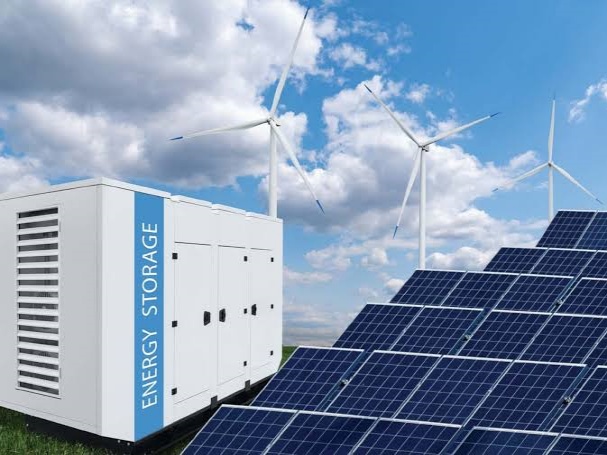
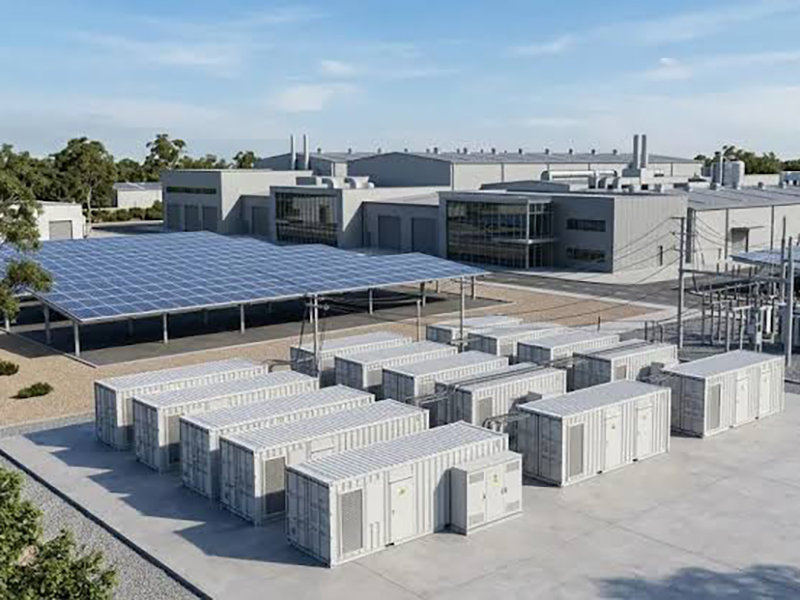
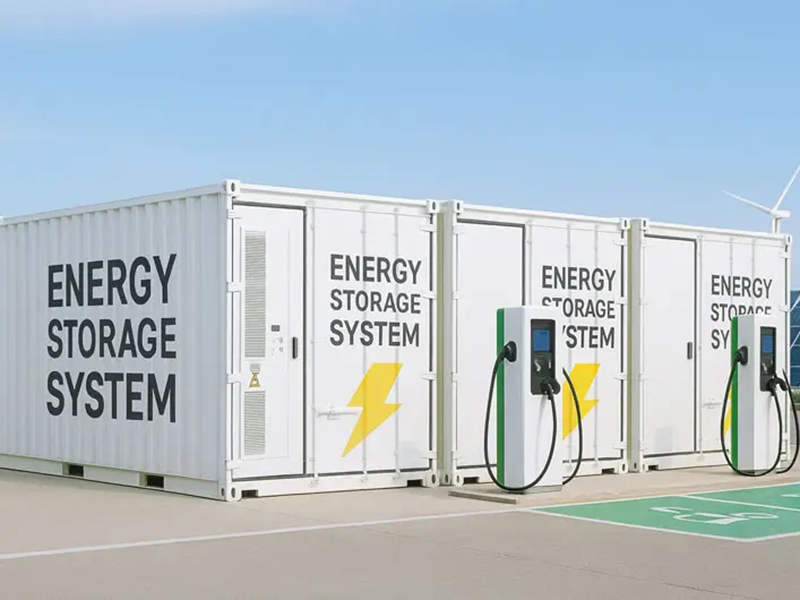
Since solar power generation depends on sunlight, the ability to store solar energy for later use is crucial; this helps maintain a balance between electricity supply and demand. This means that the development of battery or thermal energy storage technologies is key to further expanding the application of solar energy.
Grid Resilience and Reliability
Power grids must deliver electricity reliably; therefore, it is crucial for utility companies and other power system operators to have real-time visibility into the power output of solar energy systems. As the share of solar energy and distributed energy resources (DERs) within the grid increases, grid reliability faces both opportunities and challenges. Modern grid architectures are complex, integrating traditional generation methods with distributed energy resources, which complicates the response to abnormal events such as storms or power outages. However, power electronics technology holds the potential to enable real-time data acquisition and assist in grid operation control. In fact, a specialized type of "grid-forming" inverter can even utilize solar energy to help restart the grid following a blackout.