Getting the Most Out of the Sun: Solar Energy Storage Methods
When you invest in solar panels, capturing sunlight is only half the challenge. The real power comes when you can store that solar energy for use when the sun isn’t shining. Storage systems turn solar power from a “use it or lose it” resource into a reliable, flexible energy source. Below, we reframe that information, update it with recent insights, and explain how to design a system that captures sunshine with minimal waste.
Why Storage Matters: Smoothing Out Solar’s Ups and Downs
Solar panels generate electricity when exposed to sunlight, but our electricity demand doesn’t neatly match daylight hours. Sunset, cloudy days, and early mornings all create gaps. That’s where storage comes in, by capturing surplus energy and releasing it when needed.
Storage Helps in Two Key Ways
Time shifting
Capture midday solar output (when generation exceeds demand) and deliver it at night or during low-sun periods.
Grid stabilization and backup
Smooth out short disruptions, voltage swings, or outages. Energy storage acts as a buffer between supply and demand.
Three Major Energy Storage Methods: Thermal, Mechanical, and Battery Storage
Thermal Energy Storage
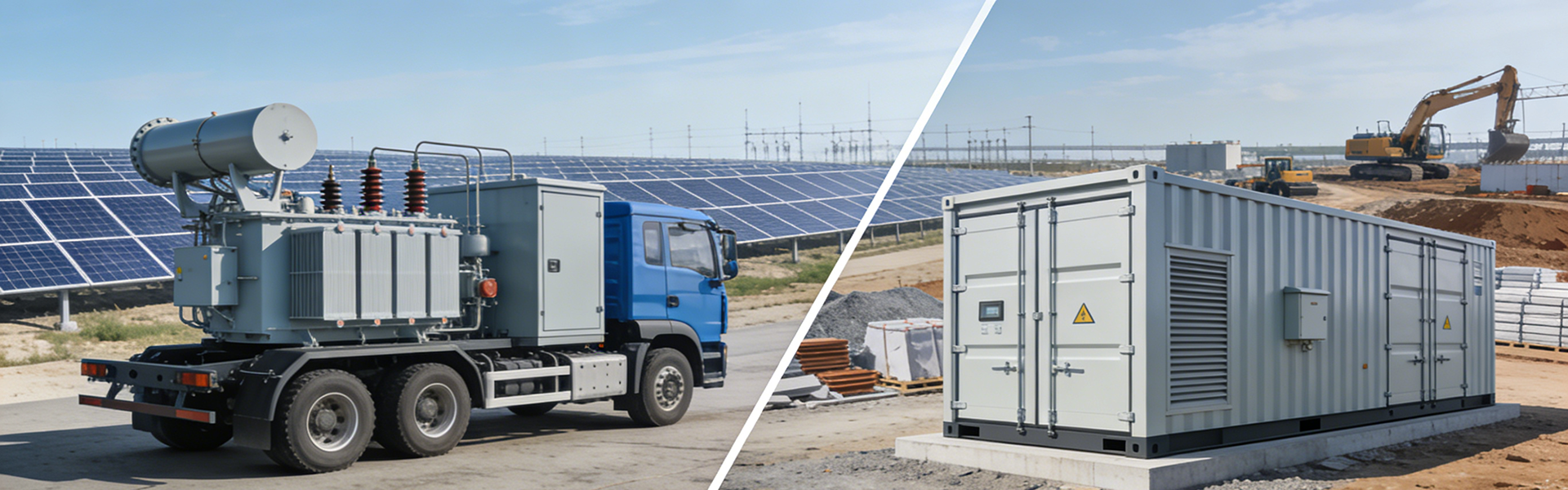
Thermal energy systems use media such as molten salt or hot water to store energy in the form of heat. These systems absorb solar thermal energy, store it in insulated tanks, and subsequently use it for electricity generation (via steam turbines) or direct heating.
Advantages
• Suitable for large-scale solar thermal power plants
• Capable of storing large amounts of thermal energy relatively simply
Disadvantages
• Efficiency losses occur during the conversion between thermal and electrical energy
• Requires specialized infrastructure such as insulated storage tanks and turbines
• Less suitable for small-scale or distributed systems
Thermal energy storage is best suited for applications such as power generation, district heating, or industrial production processes.
Mechanical Energy Storage
Mechanical energy systems convert excess electrical energy into mechanical energy and reconvert it into electricity when needed.
Common Types
• Flywheel energy storage: Uses rotational inertia to store energy for short periods
• Pumped-hydro storage: Pumps water to an elevated reservoir for storage and releases it through turbines to generate electricity when needed
• Compressed Air Energy Storage (CAES): Stores energy by compressing air; the air drives a turbine to generate electricity upon release
These methods perform well in large-scale facilities with suitable infrastructure. However, flywheel storage has limited capacity, while pumped-hydro storage relies on specific geographical conditions (such as hilly terrain or reservoirs). Mechanical energy storage is suitable for sites with appropriate topography or where rapid response is required, but it offers less flexibility for small-scale or rooftop systems.
Battery Energy Storage (The Current Mainstream Choice)
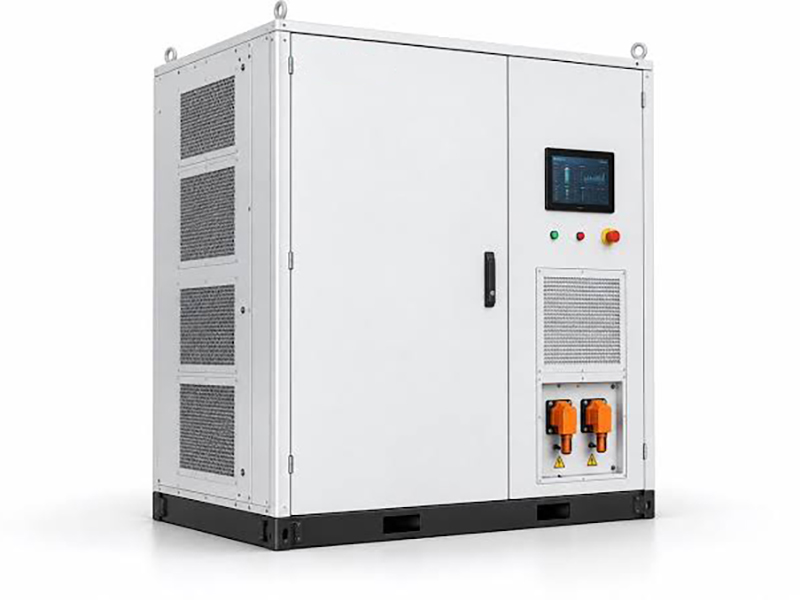
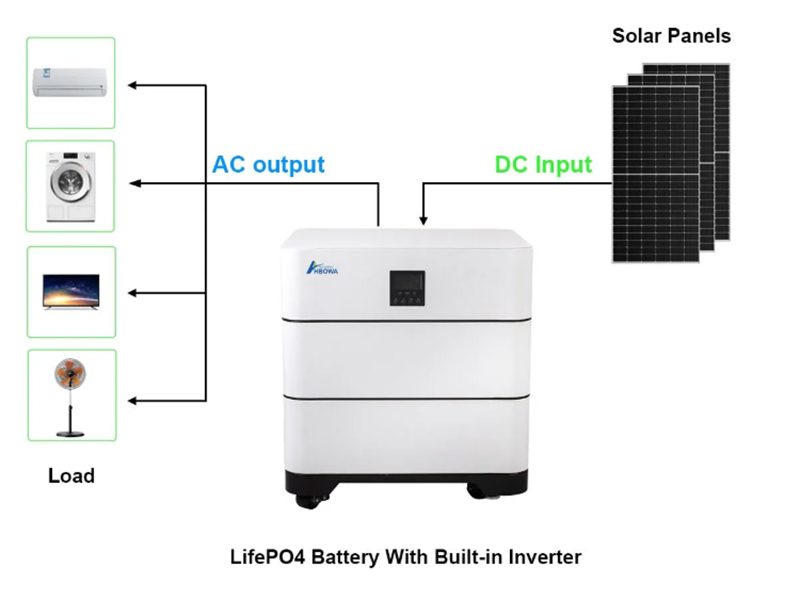
Battery systems store solar-generated electricity as chemical energy and release it when needed. Currently, this is the preferred solar energy storage solution for residential, commercial, and off-grid systems.
Common Battery Chemistries
• Lithium-ion batteries: The top choice for many solar systems. They offer high energy density, long cycle life, and low weight, with costs steadily decreasing.
• Lead-acid batteries (Flooded, AGM, Gel): An older, lower-cost technology, but they offer lower usable capacity, require more maintenance, and have a shorter lifespan. • Nickel-based batteries (NiMH, NiCd): Less common in large-scale solar installations; primarily used in specific niche applications.
For many users, battery energy storage—with its flexibility, modular design, and excellent compatibility with photovoltaic (PV) systems—is the preferred solution for residential and commercial solar applications.
How long can stored solar energy last?
This depends largely on the storage method and system design. Batteries lose charge over time due to self-discharge, while mechanical or thermal energy systems also experience energy losses. Atlas Copco notes that, depending on system design and efficiency, batteries can retain usable power for up to five days. In practice, designers typically allow for a storage buffer of one to three days. For large-scale grid systems, this buffer period may be longer to accommodate weather fluctuations or provide grid support.
Choosing the right operating mode: Off-grid or Hybrid
Off-grid mode
In off-grid mode, the energy storage system (usually paired with a PV system) independently powers the load without relying on the grid or a generator. This mode is ideal for remote sites, event venues, or facilities requiring silent, off-grid power. For example, a remote telecommunications tower operating in off-grid (islanded) mode using solar panels and storage batteries can function normally without noise or fuel consumption.
Hybrid mode (energy storage and generator)
A hybrid energy storage system works in tandem with a generator (whether diesel, gas, or another type). Batteries handle low-load periods, nighttime power needs, and peak demand, while the generator kicks in when demand surges or battery levels run low. Advantages of Hybrid Modes
• Reduces fuel consumption
• Cuts operating costs and emissions
• Alleviates load stress and reduces start-stop cycles for generators, thereby extending their service life
• Enhances system resilience, ensuring continued operation even if a component fails
Combining Energy Storage with Solar Power: Maximizing Value
To fully realize the value of solar and energy storage systems, the following principles should be observed:
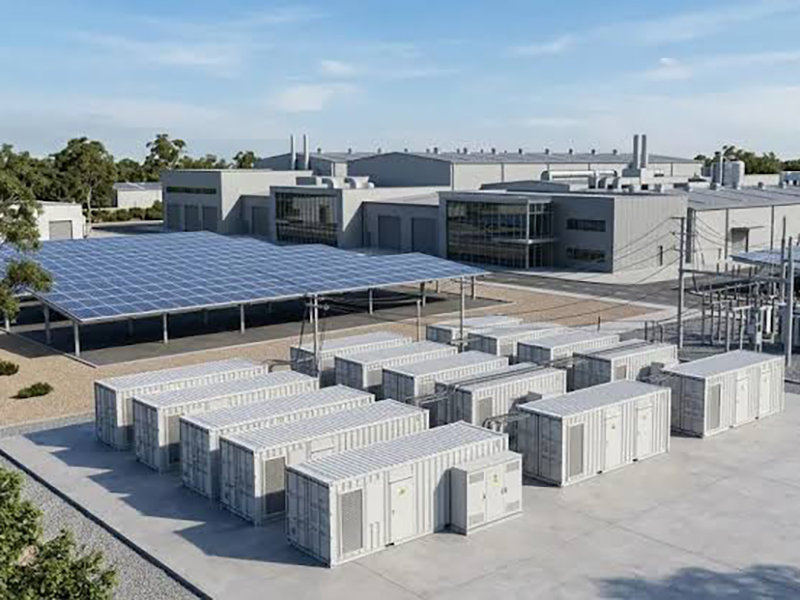
• Appropriately size energy storage capacity based on load characteristics and generation data
• Optimize charge/discharge strategies to enable time-shifting of electrical energy
• Utilize intelligent control systems to manage loads and monitor battery health
• Account for performance degradation and incorporate adequate design margins
• Plan for backup or failover modes to ensure system resilience
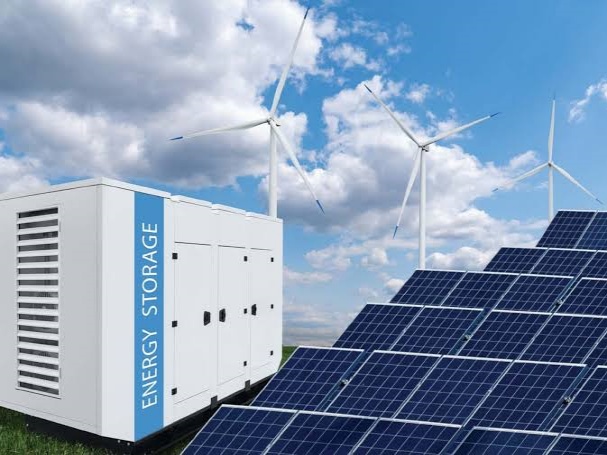
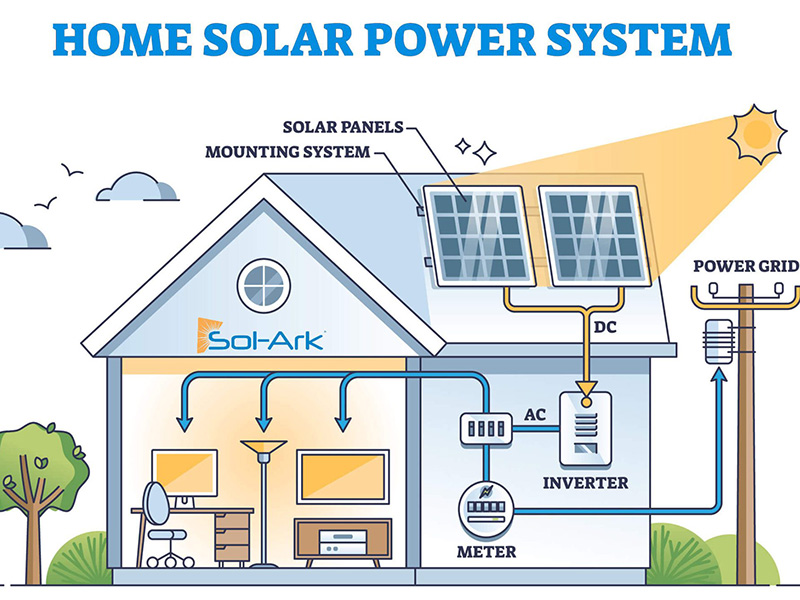
Without an energy storage system, a significant portion of the potential energy from solar generation is wasted when output exceeds demand. Energy storage systems allow users to utilize electricity when it is actually needed, rather than solely when sunlight is abundant.