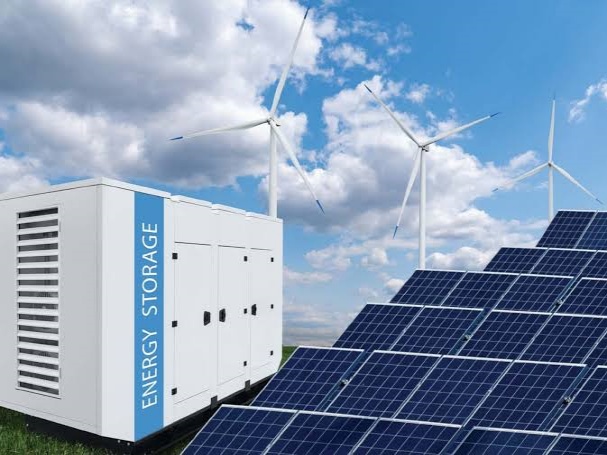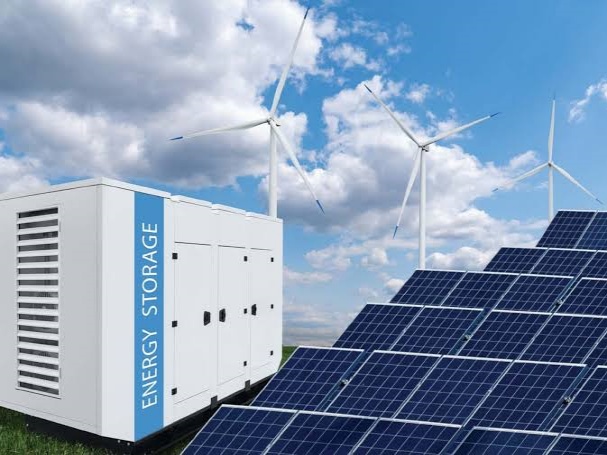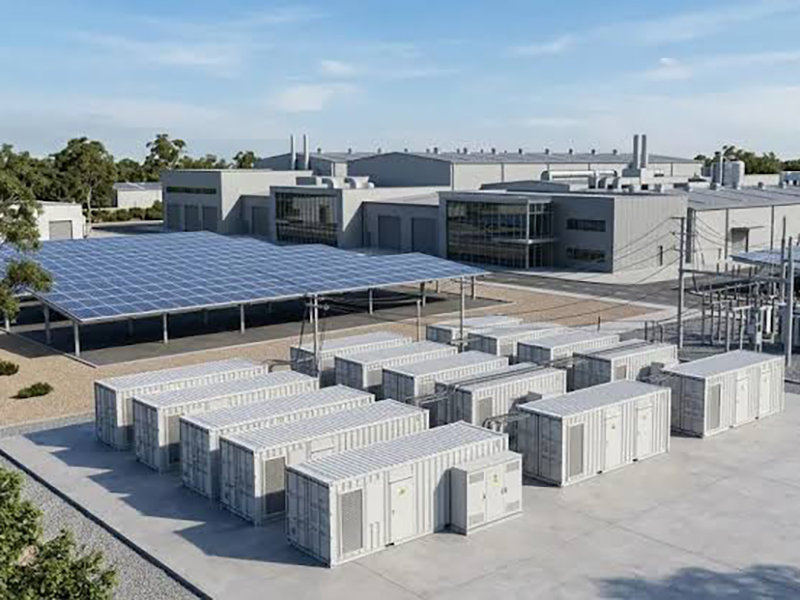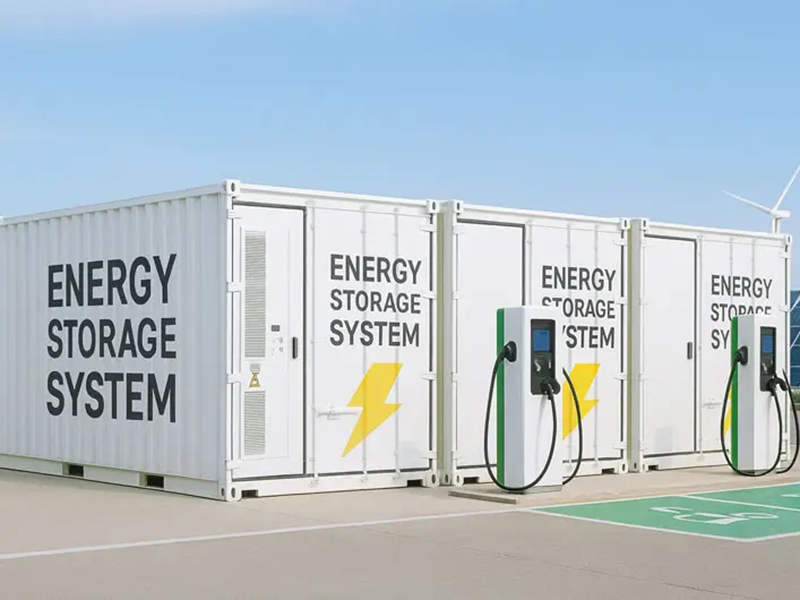
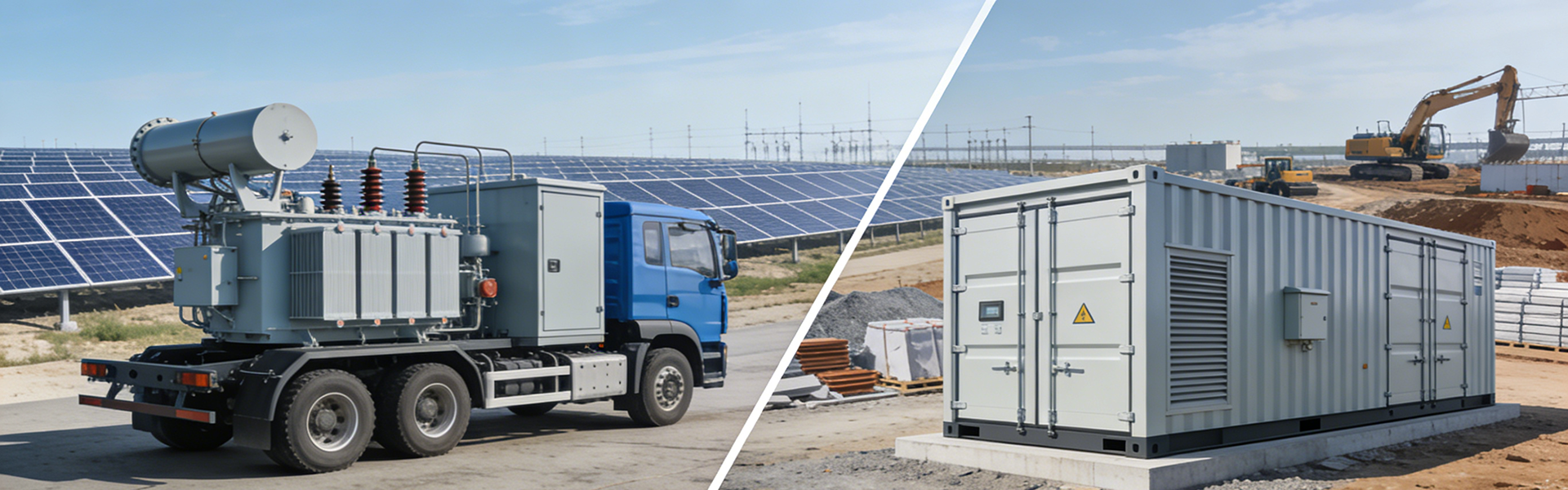
The integratied solar energy storage systems has revolutionized the deployment of renewable energy, transforming intermittent solar generation into a reliable, round-the-clock power source. Amidst surging global energy demand and growing concerns regarding grid stability, photovoltaic (PV) storage solutions have emerged as a crucial bridge between variable solar generation and continuous energy supply.
Advanced battery technologies—ranging from lithium-ion to flow batteries—enable businesses and households to store excess solar energy generated during the day for use at night, effectively addressing the fundamental challenge of solar intermittency. This convergence of PV generation and storage technology marks a significant advancement in sustainable energy infrastructure; it enhances grid resilience, reduces carbon emissions, and improves the economic returns on solar investments.
Rapid technological progress, coupled with falling costs and increased efficiency, has established PV storage as a cornerstone of the modern renewable energy landscape.

Understanding PV Storage Technology
Battery Energy Storage Systems
Battery energy storage systems play a vital role in enhancing the performance of PV installations. Lithium-ion batteries currently dominate the market due to their high energy density, long cycle life, and steadily declining costs. These systems typically offer round-trip efficiencies of 85% to 95% and a lifespan of 10 to 15 years under ideal conditions, making them an ideal choice for both residential and commercial applications.
Lead-acid batteries, while based on more mature technology and offering lower upfront costs, possess distinct characteristics. Despite lower energy density and a shorter lifespan (5 to 10 years), they remain a viable option for backup power systems and off-grid installations where initial cost is a higher priority than long-term performance benefits. Such systems have round-trip efficiencies of 70% to 85% and require more frequent maintenance compared to lithium-ion batteries.
As the industry evolves, emerging battery technologies are reshaping energy storage capabilities. Flow batteries, sodium-ion batteries, and solid-state batteries show immense potential for grid-scale applications. Flow batteries, in particular, offer the advantages of virtually unlimited cycle life and the ability to scale power and energy capacity independently, although their lower energy density currently limits widespread adoption.
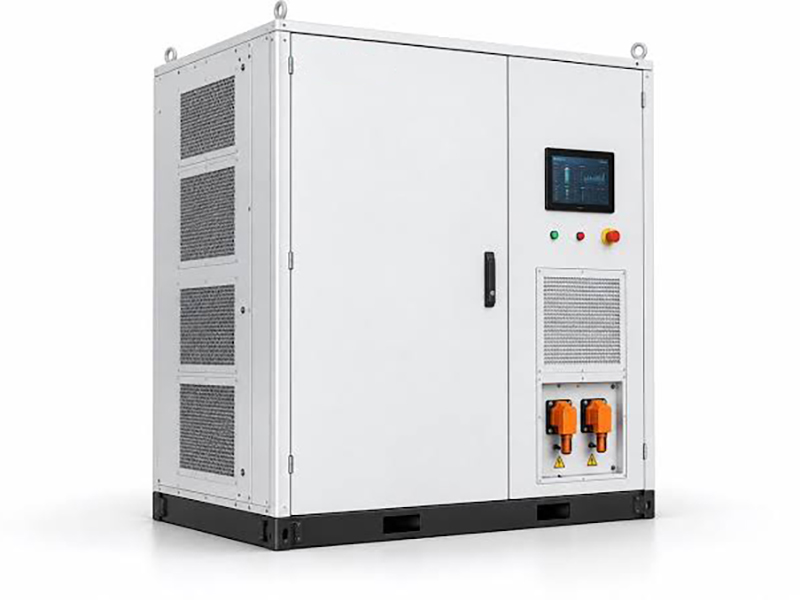
Selecting a battery energy storage system requires a comprehensive assessment of several factors: required capacity, discharge rate, cycle life, maintenance requirements, and environmental conditions. Temperature management is critical, as extreme temperatures can significantly impact battery performance and lifespan. Modern systems incorporate advanced Battery Management Systems (BMS) capable of monitoring cell health, optimizing charging cycles, and ensuring safe operation throughout the battery's service life.
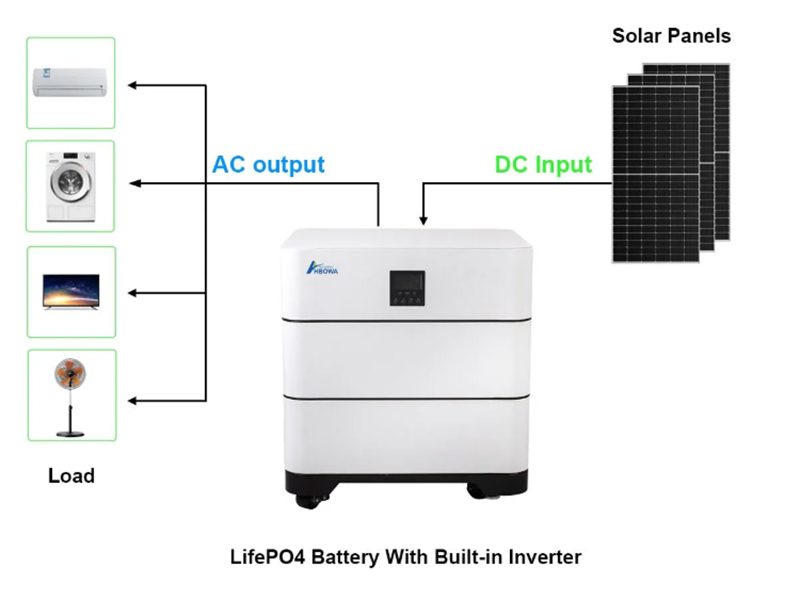
When integrating with photovoltaic systems, careful planning of charge controllers, inverters, and monitoring systems is essential to ensure optimal energy flow and system protection. This integrated approach maximizes system efficiency and extends battery lifespan while guaranteeing a reliable power supply.