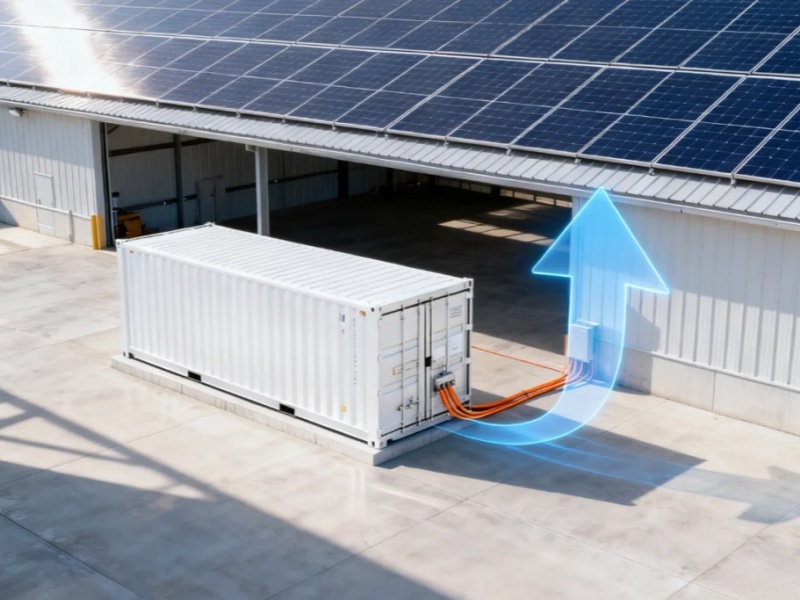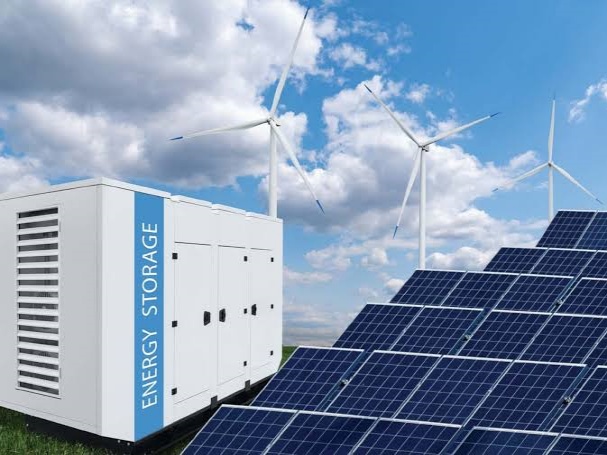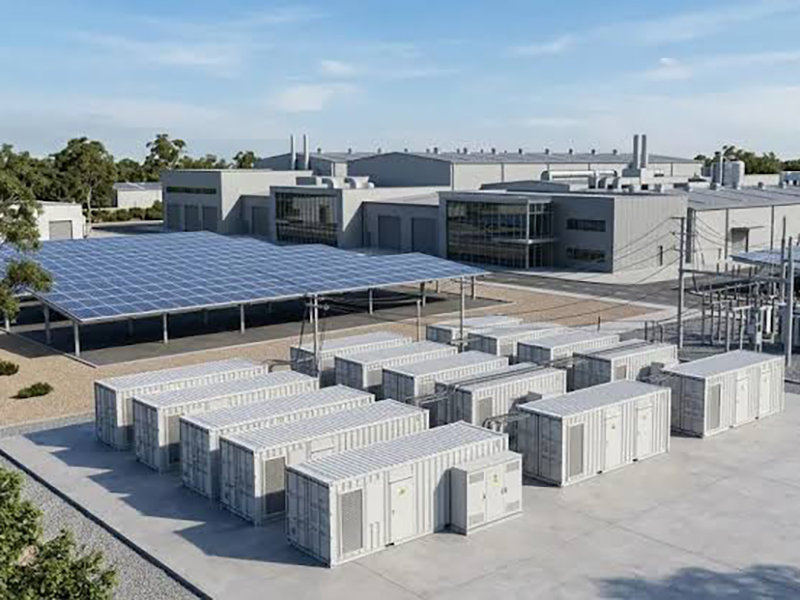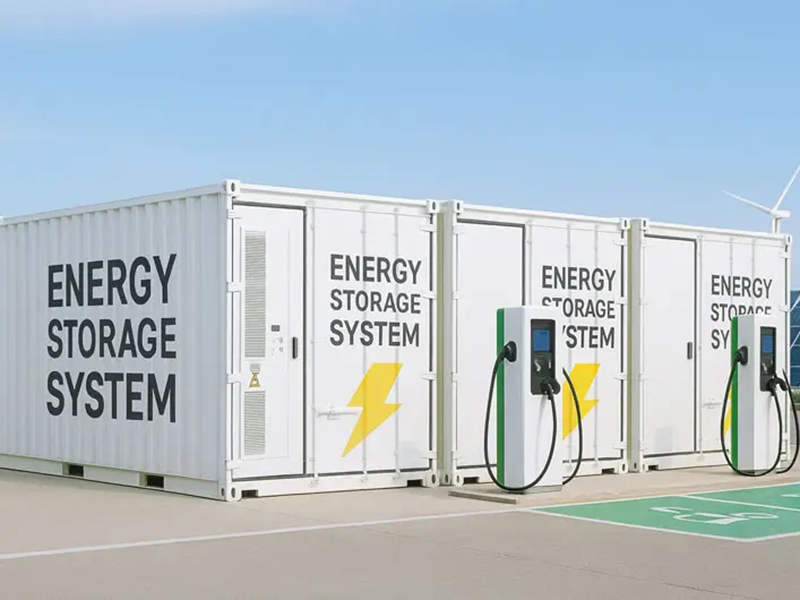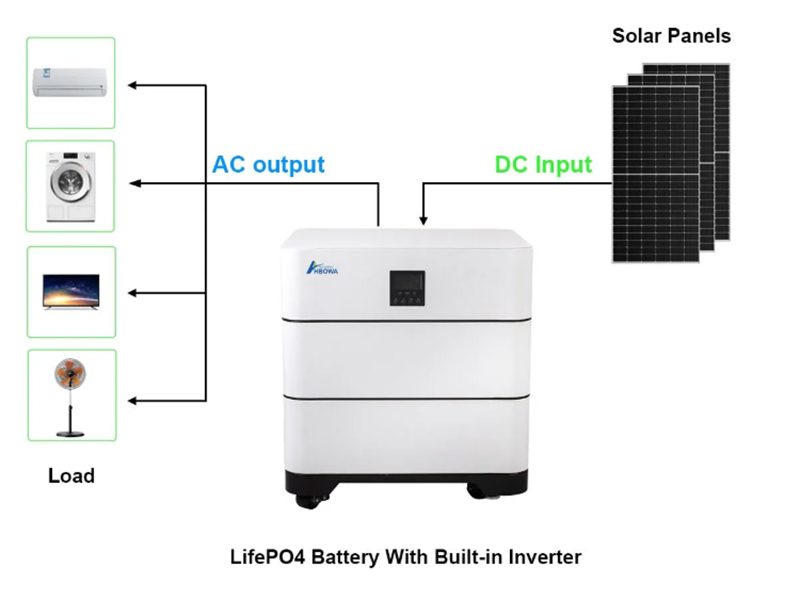
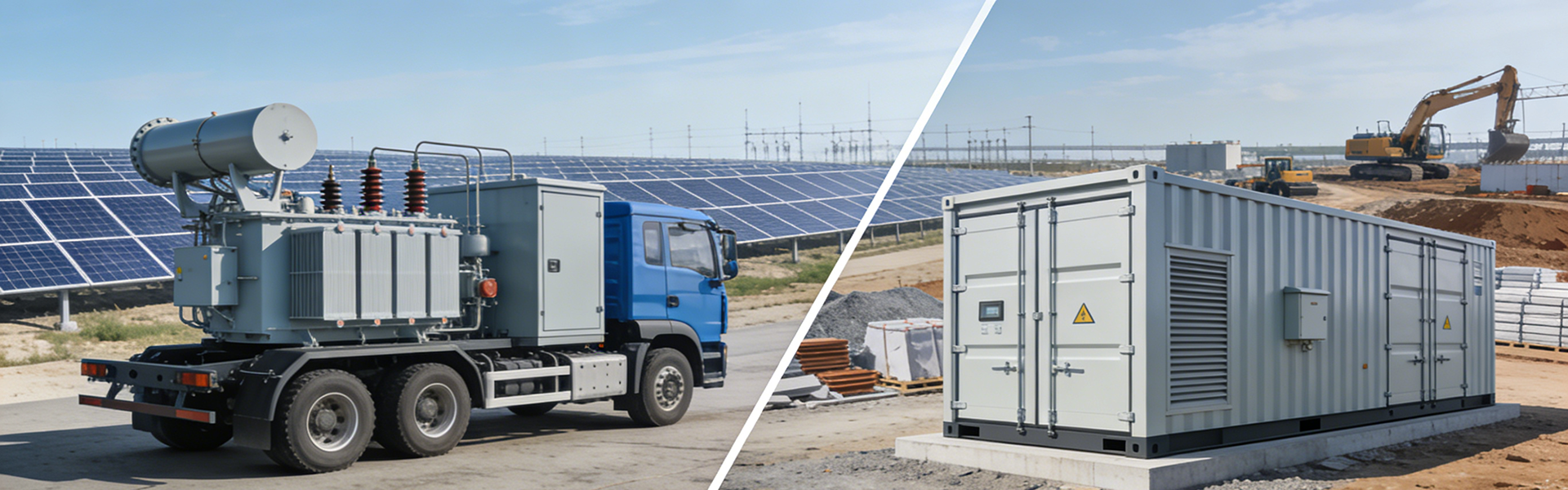
Integrated Solar Energy storage enables solar power to supply the grid continuously, even when sunlight is unavailable. It also smooths out fluctuations in solar power input to the grid. These fluctuations arise from variations in the amount of sunlight striking photovoltaic (PV) panels or concentrated solar power (CSP) systems. Solar generation is affected by seasons, time of day, cloud cover, dust, haze, and obstructions such as shadows, rain, snow, and dirt. Energy storage systems can be deployed at the same site as solar installations, adjacent to them, or independently; regardless of the configuration, they facilitate the more effective integration of solar power into the energy system.
What is energy storage?
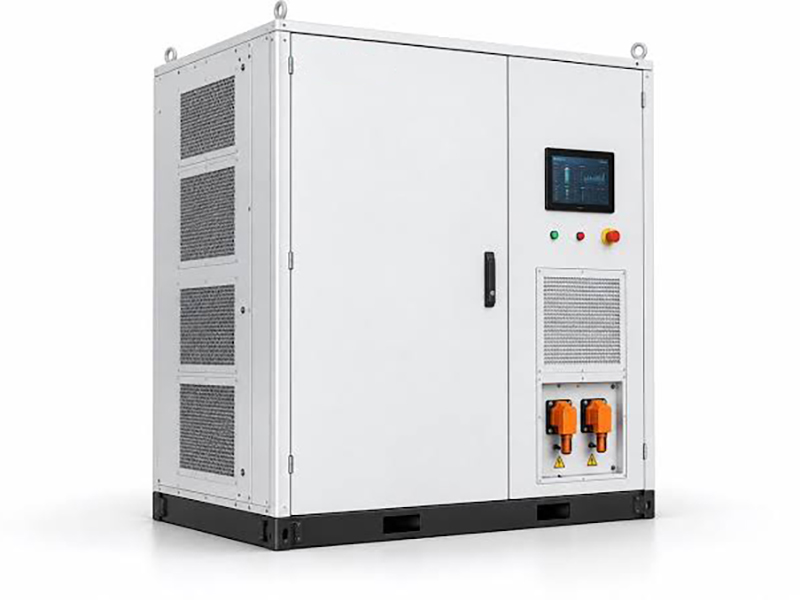
"Energy storage" refers to technologies capable of capturing electrical energy, converting it into other forms (such as chemical, thermal, or mechanical energy), and releasing it for use when needed. Lithium-ion batteries are one such technology. Although energy storage processes cannot achieve 100% efficiency—as some energy is inevitably lost during conversion and extraction—they allow for the flexible use of energy at times other than when it was generated. Consequently, energy storage not only enhances system efficiency and resilience but also improves power quality by balancing supply and demand.
Energy storage facilities vary in terms of "energy capacity" (the total amount of energy that can be stored, typically measured in kilowatt-hours or megawatt-hours) and "power capacity" (the amount of energy that can be discharged within a specific timeframe, typically measured in kilowatts or megawatts). Systems with different energy and power capacities can address different needs. For example, short-duration storage—lasting only a few minutes—can ensure the smooth operation of solar power plants when passing clouds cause output fluctuations; conversely, long-duration storage can provide power for days or even weeks during periods of low solar generation or extreme weather events.
Advantages of combining energy storage with solar power
Balancing electrical loads—without energy storage, electricity must be consumed as soon as it is generated; this means grid operators sometimes have to shut down certain generation units or "curtail" power (i.e., limit generation) to avoid oversupply and grid reliability issues. Conversely, during periods such as after sunset or on cloudy days, solar generation may be low while electricity demand remains high. Energy storage technology has emerged to address these needs: it allows for charging (storing energy) during periods of high generation and low demand, and discharging electricity during peak load or demand times. By storing a portion of the solar energy generated, grid operators can dispatch this power when needed—including after sunset. In this sense, energy storage systems act as a form of "insurance" for solar power generation.
Enhancing the stability of solar power generation (ensuring "firm" output)—short-term energy storage systems ensure that instantaneous fluctuations in generation do not significantly impact the solar plant's overall output. For instance, small-scale battery systems can buffer against brief interruptions in generation caused by cloud cover, thereby helping the grid maintain a reliable and consistently stable power supply.
Improving system resilience—in the event of a power outage, solar and energy storage systems can provide backup power to keep critical facilities running and ensure that essential services, such as communications, remain uninterrupted. Furthermore, solar and energy storage systems are suitable for small-scale applications, including microgrids and mobile or portable power units.