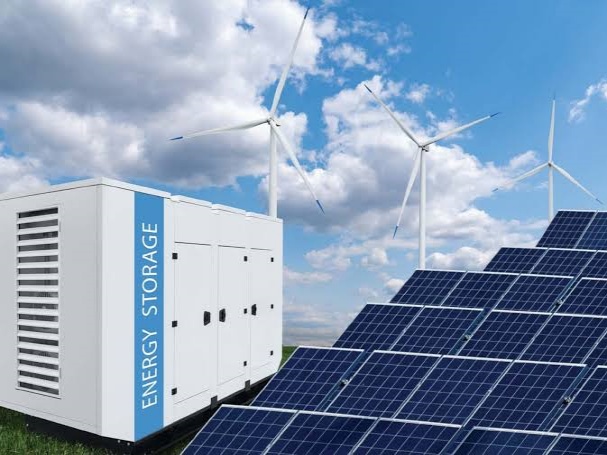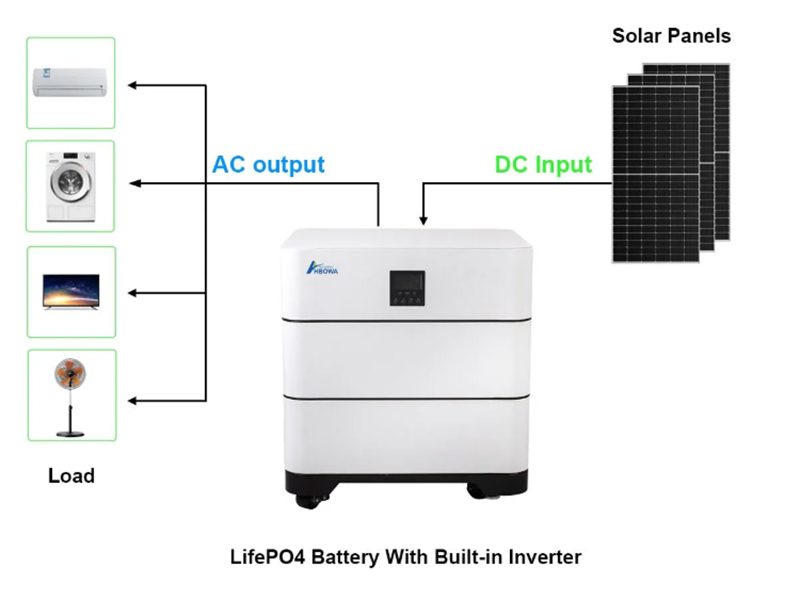
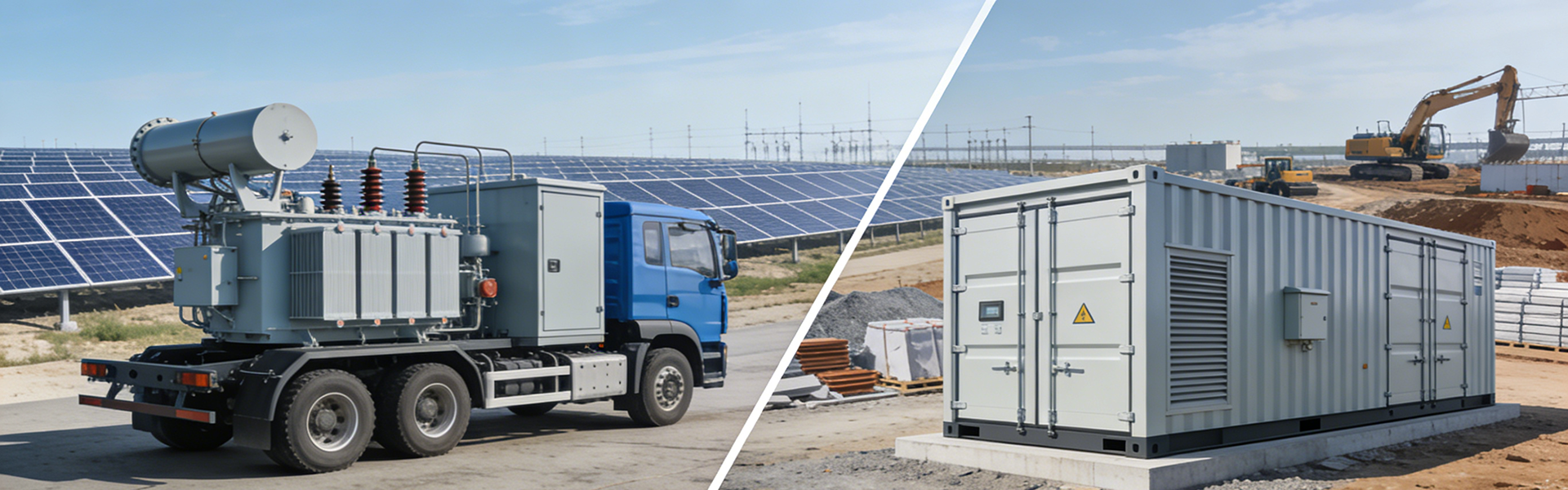
Distributed photovoltaic (PV) systems have become a mainstream renewable energy solution for commercial buildings, industrial facilities, and small-scale power plants. However, the inherent intermittency of solar energy often leads to issues such as low self-consumption rates, fluctuating power output, and wasted generation. Solar energy storage cabinets—which combine compact battery energy storage systems with PV —perfectly address these core challenges. These all-in-one Battery Energy Storage Systems (BESS) support intelligent energy scheduling, ensure stable power supply, and maximize solar utilization, making them essential components of modern PV projects.
What is a solar energy storage cabinet?
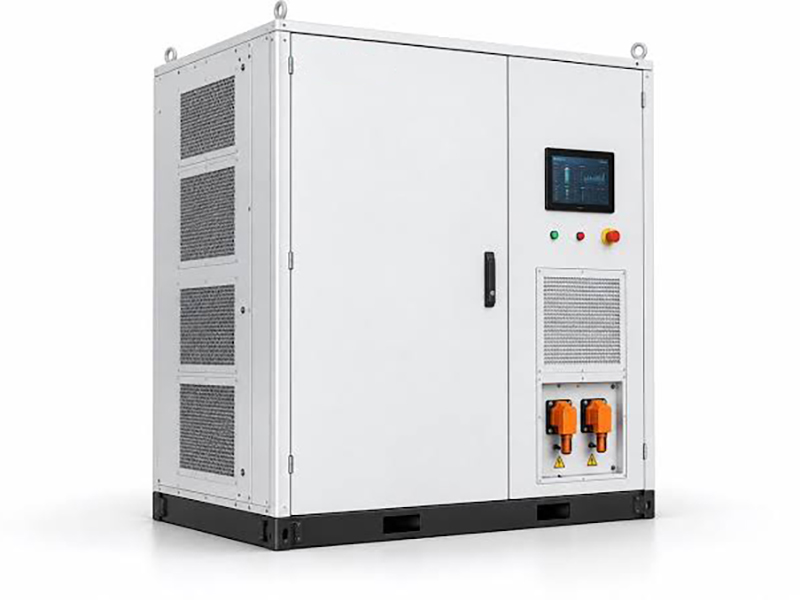
A solar energy storage cabinet is an integrated battery energy storage system designed specifically for PV applications and optimized for the unique characteristics of solar power generation. Unlike standard storage cabinets, this unit features built-in solar charging logic, adaptive Maximum Power Point Tracking (MPPT), and voltage stabilization capabilities to handle solar fluctuations. It integrates Lithium Iron Phosphate (LiFePO4) battery modules, a Battery Management System (BMS), a Power Conversion System (PCS), an Energy Management System (EMS), and comprehensive safety and thermal management systems into a single, compact enclosure.
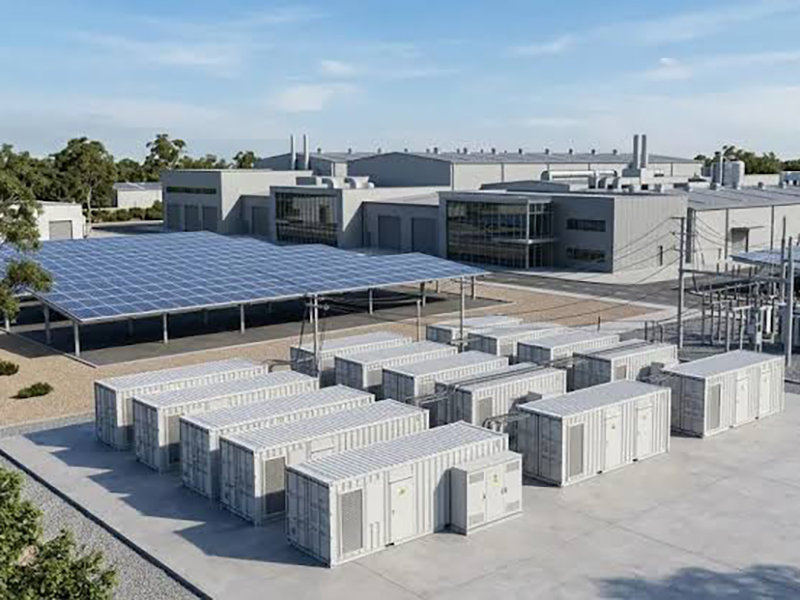
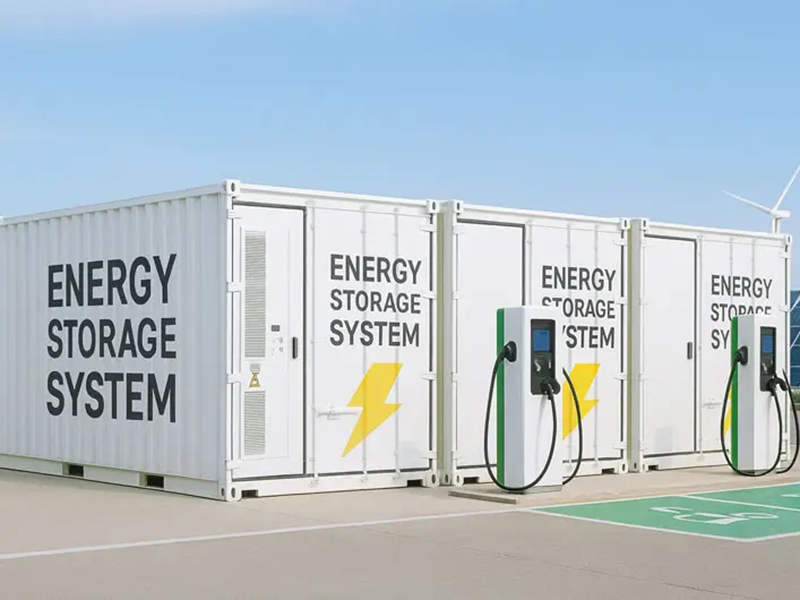
Tailored for distributed PV applications, the product offers plug-and-play functionality, a small footprint, and strong environmental adaptability. It is widely used in commercial rooftop PV, industrial PV systems, and off-grid microgrid projects, effectively bridging the market gap between large-scale containerized storage systems and small residential PV battery units.
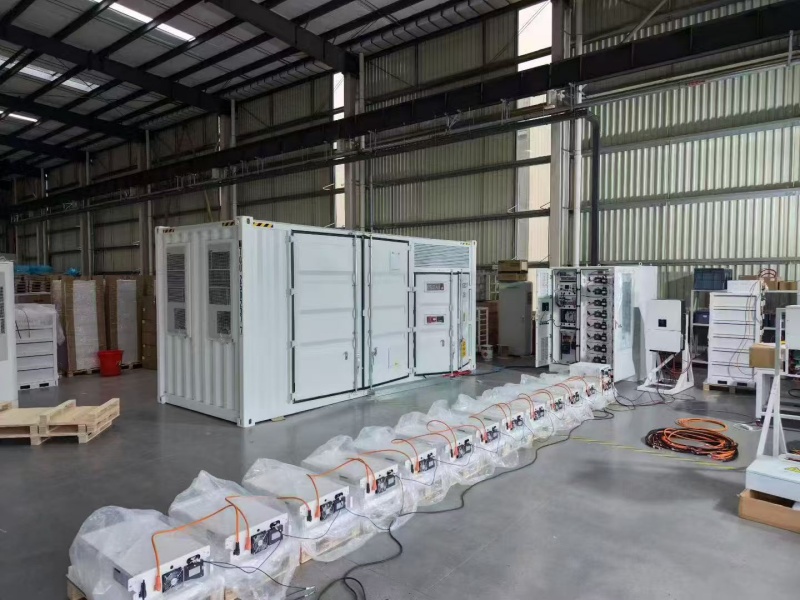
Core components of the integrated PV and storage cabinet
The seamless operation of the solar storage cabinet with the PV system relies on five core functional modules. Solar panels serve as the primary energy source, capturing solar radiation and converting it into direct current (DC). The PCS (Power Conversion System) handles bidirectional AC/DC conversion, enabling the PV DC output to meet on-site load requirements and grid standards.
The BMS (Battery Management System) monitors battery status in real-time during solar charging and discharging, preventing cell overheating or overcharging caused by fluctuating solar radiation. The EMS (Energy Management System) acts as the central control unit, intelligently coordinating PV generation, battery storage, and load consumption. Additionally, built-in thermal management and fire safety systems ensure the equipment's long-term, stable outdoor operation in high-temperature, high-irradiance environments.
Operating Principle: How the Solar Energy Storage Cabinet Works with the PV System
The collaboration between the PV system and the energy storage cabinet follows four intelligent operating modes. During sunny days, solar panels continuously generate direct current (DC). The system prioritizes meeting on-site load demands with solar power and automatically stores excess energy in the cabinet, thereby preventing energy waste.
At night or during peak electricity tariff periods, the system switches to discharge mode, releasing stored solar energy to power industrial and commercial loads, thus reducing reliance on expensive grid electricity. During overcast or unstable weather, the storage cabinet smooths out fluctuations in PV output and balances the power supply, ensuring the stability of the solar equipment's operation.
Furthermore, in the event of a grid outage, the PV energy storage cabinet supports off-grid operation, providing reliable emergency backup power for critical equipment and ensuring the continuity of production and operations.
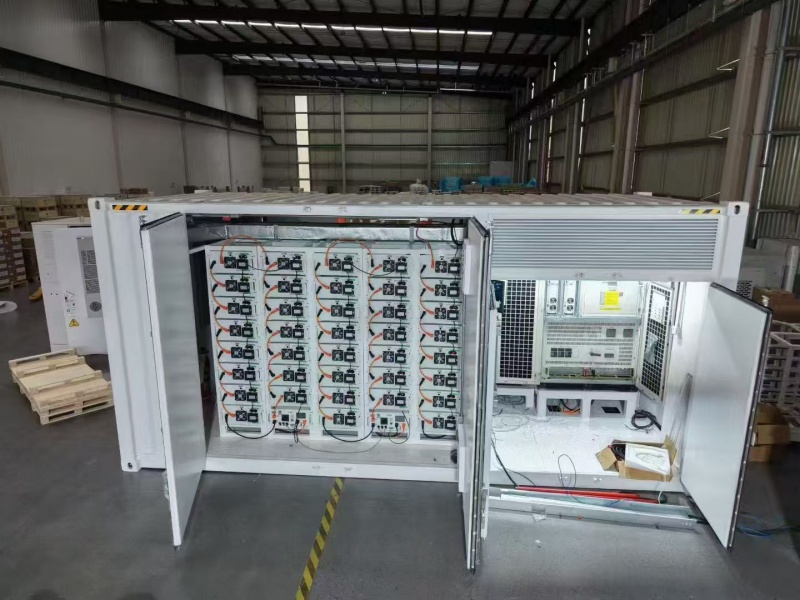
Key Advantages of Pairing the Energy Storage Cabinet with the PV System
Integrating the solar energy storage cabinet with the PV system yields significant economic and technical benefits. It substantially increases the self-consumption rate of PV power, maximizing the utilization of clean solar energy; for industrial and commercial users, it enables peak-valley tariff arbitrage, effectively lowering long-term energy costs.
At the same time, this integrated solution smooths out PV power fluctuations, alleviates grid-connection pressure for distributed PV projects, and extends the service life of the solar equipment. Its compact, modular design also further reduces installation and maintenance costs compared to large-scale containerized energy storage systems.