Solar photovoltaic (PV) systems are essential technologies that convert sunlight directly into electricity. It is a clean and renewable energy source that can be used to power homes, businesses, and even entire communities.
Key Components of a Solar PV System
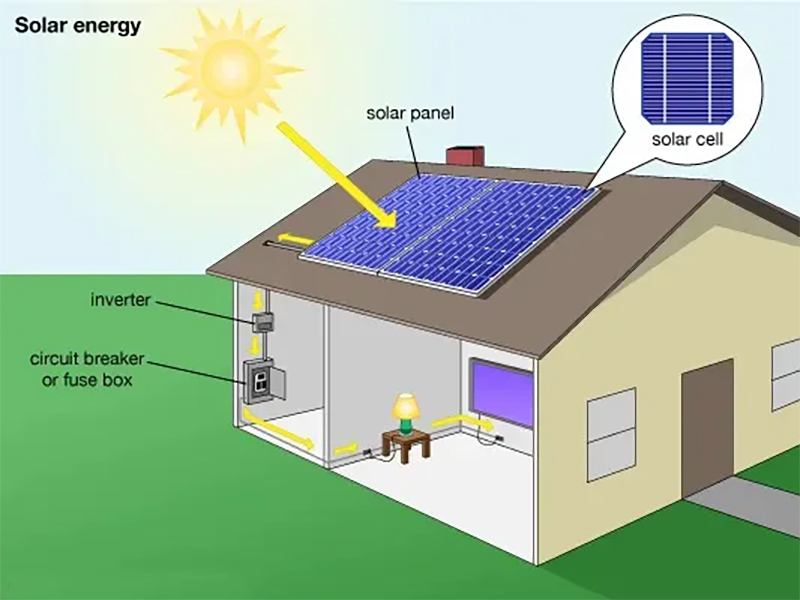
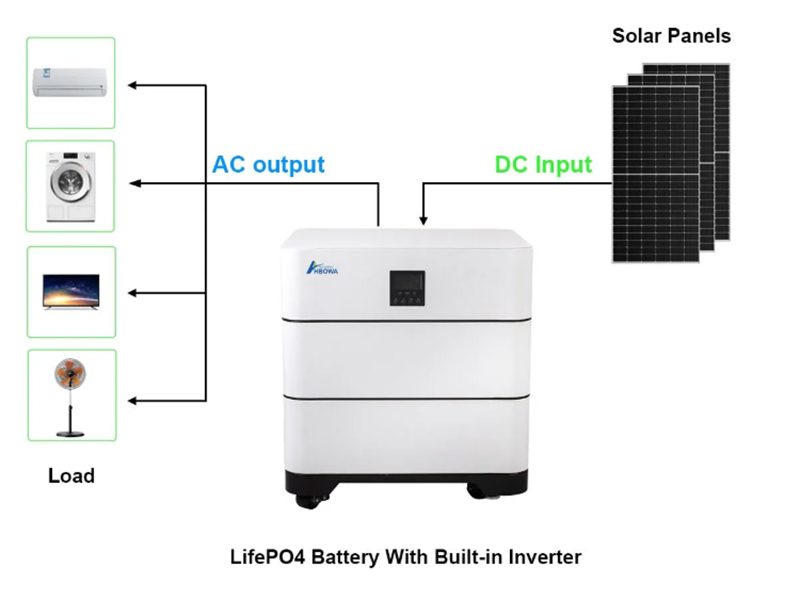
Solar Panels:The most visible part of the system, solar panels are composed of several PV cells that absorb sunlight and convert it into direct current (DC) electricity.
Solar Inverter:This component converts the DC electricity generated by the panels into alternating current (AC), which is the standard form of electricity used in homes and businesses.
Mounting Structures:These support the solar panels and can be installed on rooftops or on the ground. They must be durable enough to withstand environmental conditions such as wind and snow.
Electrical Wiring:Proper wiring connects the components and ensures efficient energy transfer while adhering to safety standards.
How to Choose the Right Solar PV System
Choosing the right solar PV system for your needs can be a daunting task, but with the right information, you can make an informed decision. Here are some key factors to consider when selecting the ideal solar PV system for your home or business.
Assess Your Energy Needs
Analyze Your Electricity Consumption
Calculate Daily Energy Requirements
Determine System Size
Estimate Solar Array Size
Consider Efficiency and Power Ratings
Evaluate Panel Specifications
Choose Between System Types
Solar PV systems can be categorized based on their configuration and application:
Grid-Connected Systems
Off-Grid Systerms
Building-Integrated Photovoltaics (BIPV)
Installation Considerations
Assess Your Roof or Installation Site
Obtain Professional Assistance
Financial Considerations