How Batteries Store Solar Energy
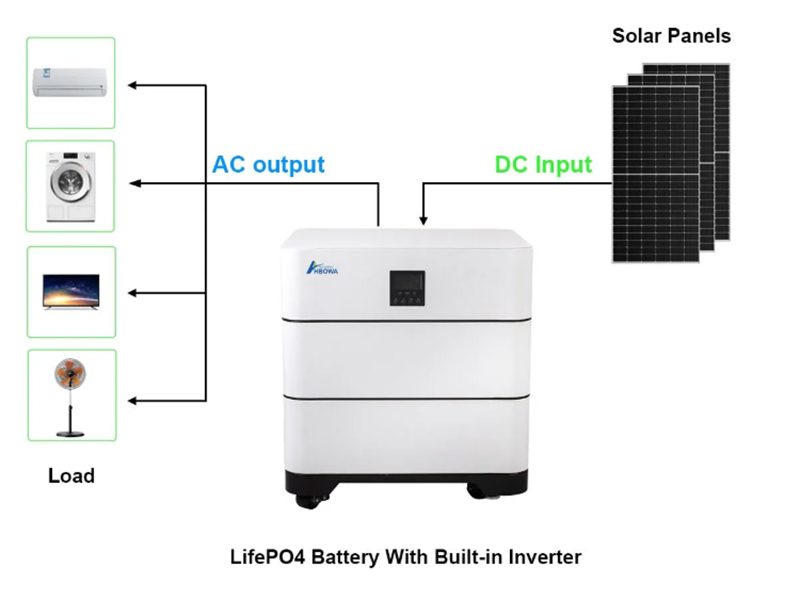
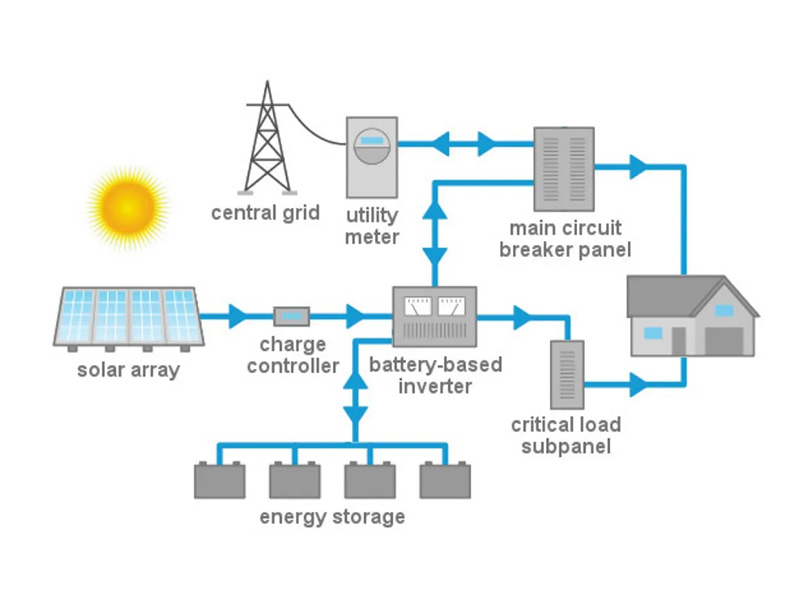
During periods of abundant sunlight, photovoltaic (PV) systems often generate more electricity than is immediately consumed. Instead of feeding all excess power back into the grid, it can be stored in batteries. Later, when solar generation drops—such as at night, on cloudy days, or during grid outages—the stored energy can be released to power critical loads.This process transforms solar energy from an intermittent source into a reliable and flexible energy solution.
Solar Energy Storage Methods
1. Electrochemical Storage (Battery-based systems)
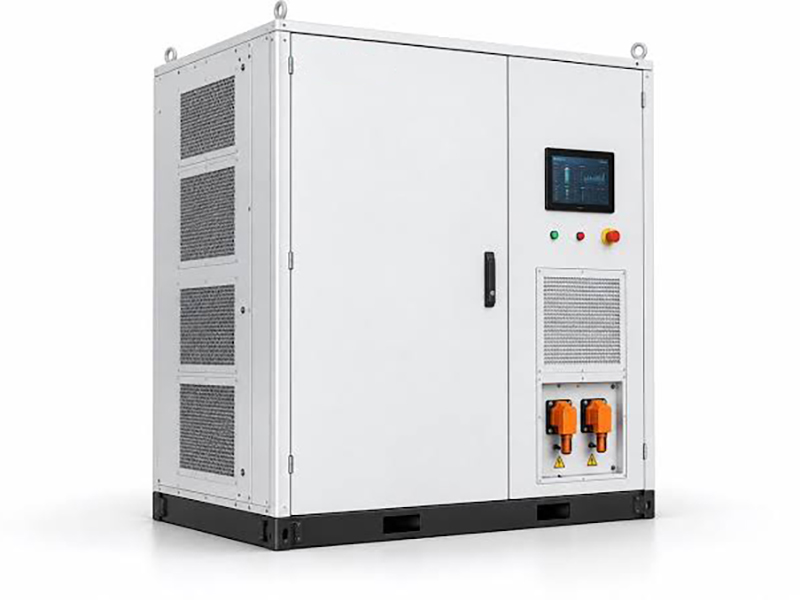
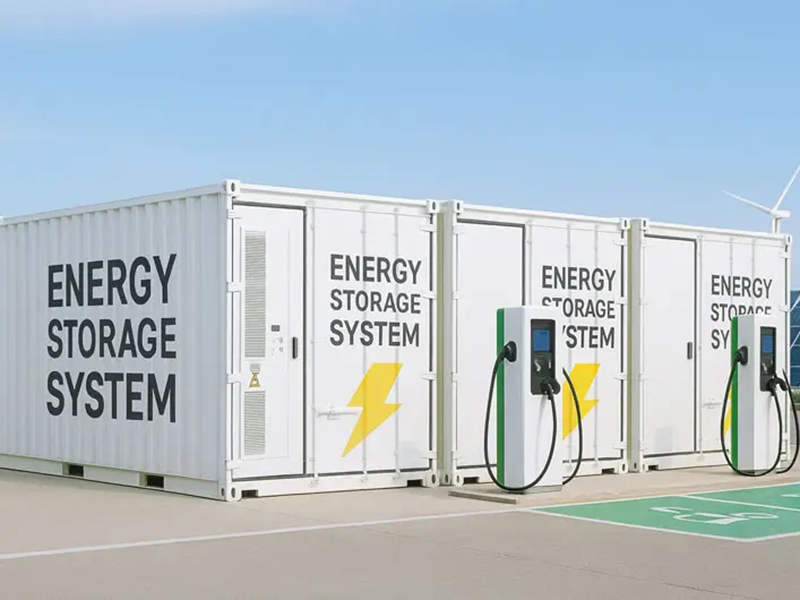
Among various storage options, Battery Energy Storage Systems (BESS) based on Lithium Iron Phosphate (LFP) technology are the most widely adopted solution for solar applications.
Key advantages of LFP batteries:
• Long cycle life—capable of over 6,000 charge-discharge cycles with minimal performance degradation;
• High safety—excellent thermal stability with low risk of fire or explosion;
• Eco-friendliness—free from heavy metals and toxic electrolytes; recyclable;
• Stable output—high charge-discharge efficiency and rapid response times.
Typical applications:
• Residential systems—storing daytime solar energy for nighttime use and providing backup power during outages;
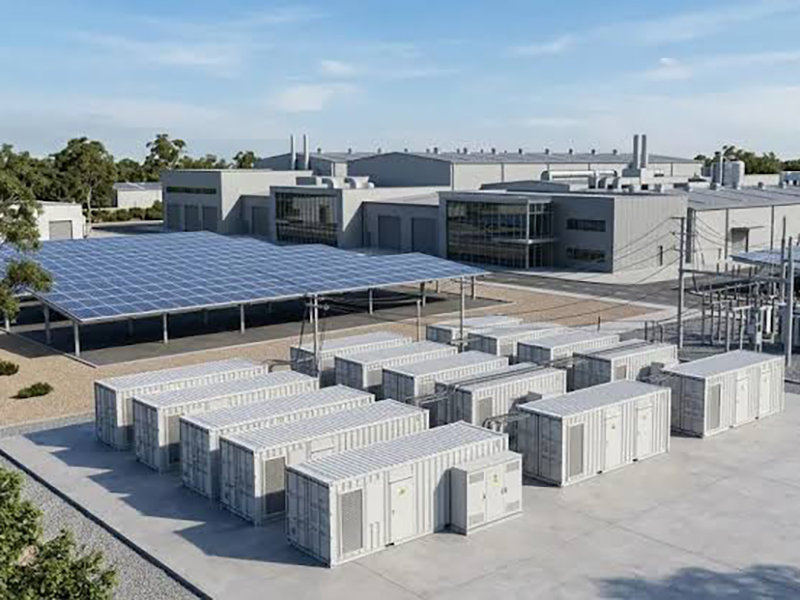
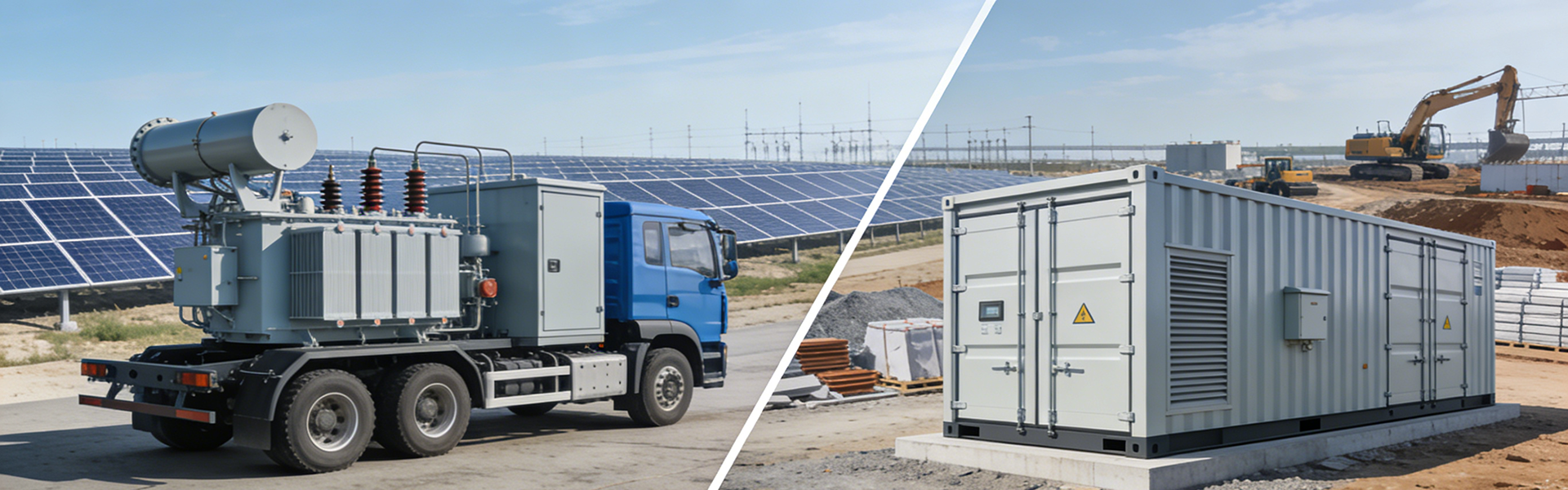
• Commercial and industrial systems—reducing demand charges through peak shaving and load shifting;
• Remote and off-grid areas—achieving independent power supply via integrated PV-plus-storage configurations.
Thanks to their reliability, high performance, and alignment with global sustainability goals, LFP batteries have become a cornerstone of modern solar energy storage systems.
2. Thermal Energy Storage
Thermal energy systems store solar energy in the form of heat—typically using water tanks, molten salts, or phase-change materials. This method is widely used in solar water heating systems and building-integrated thermal energy solutions.
3. Mechanical Energy Storage
Mechanical energy storage methods include pumped-storage hydropower, flywheel energy storage systems, and compressed air energy storage (CAES). These technologies are typically used for utility-scale grid balancing but often require specific geographical conditions or infrastructure support.
Cons of “Solar + Storage” Systems
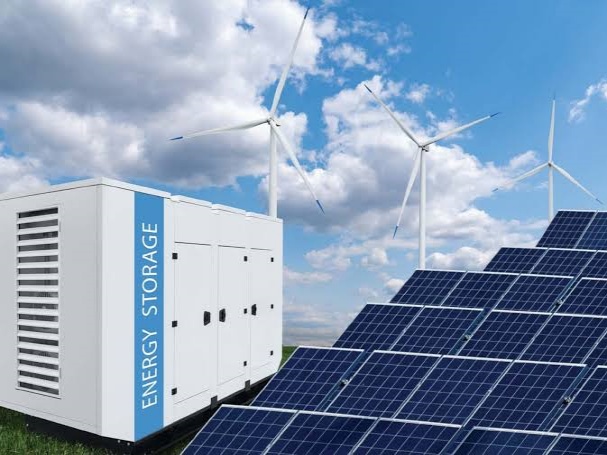
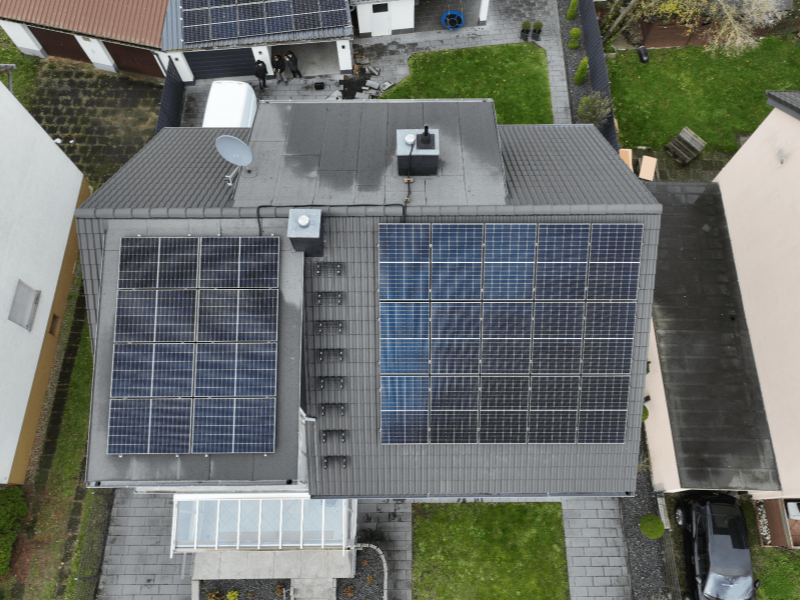
Combining solar panels with battery storage delivers both economic and environmental benefits, making solar power a practical energy solution for households, businesses, and communities.
• Lower electricity costs—Charge batteries during periods of abundant sunlight or low demand and discharge them during peak hours to save money. • Enhanced energy resilience—Ensure uninterrupted power supply during outages or grid instability.
• Energy independence—Support energy autonomy, particularly in off-grid areas.
• Maximized solar utilization—Capture excess energy that would otherwise go to waste.
• Accelerated carbon reduction—Contribute to achieving carbon neutrality and global net-zero emissions goals.
• Improved return on investment—Compared to traditional diesel generation or grid-only solutions, solar-plus-storage systems often achieve a superior Levelized Cost of Electricity (LCOE), thereby enhancing long-term investment returns.