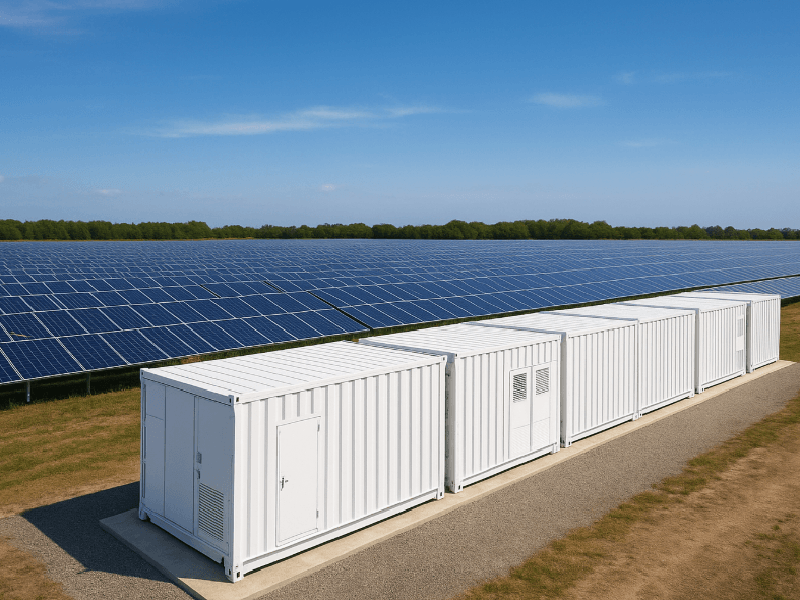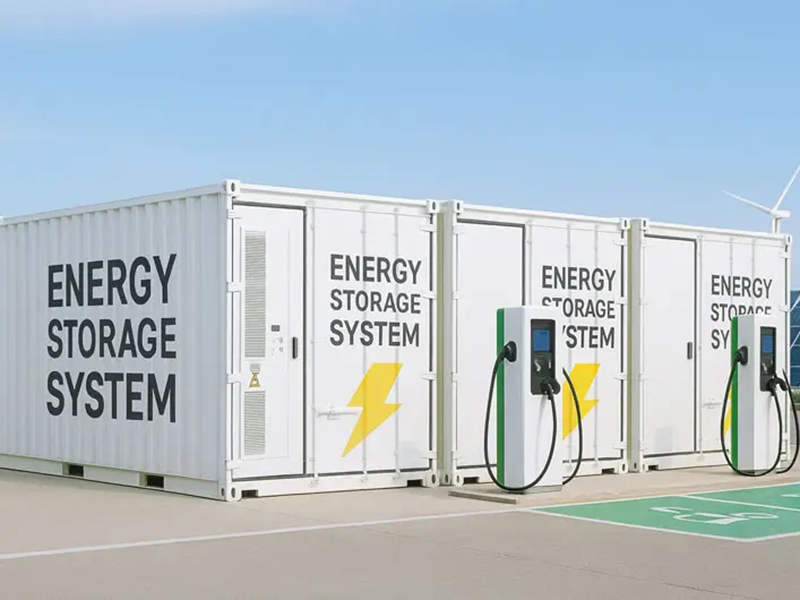
Effective storage systems are essential to the success of the energy transition.
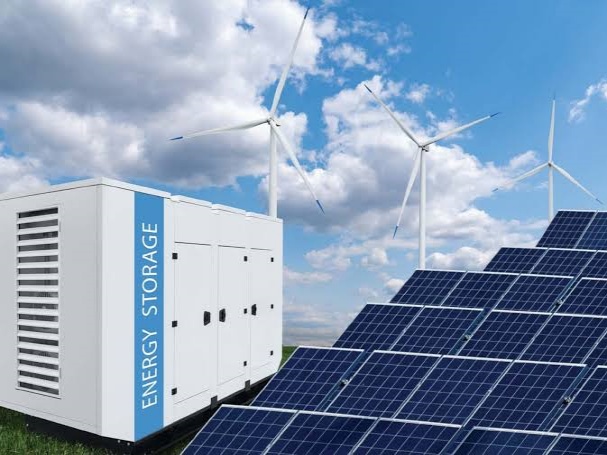
This is because renewable energy sources, such as wind and solar, are naturally intermittent: the Sun doesn’t always shine, and the wind doesn’t always blow. These characteristics were traditionally seen as a weakness when making the case for renewable energy, but now, thanks to efficient storage systems, this problem has a solution.
We are witnessing the dawning of a new era for renewable energy, which is essential to the well-being of our planet and its inhabitants. On these pages we explain everything you need to know about energy storage and its vital role in the production of green energy.
What is energy storage?
Energy storage is defined as the capture of intermittently produced energy for future use.
In this way it can be made available for use 24 hours a day, and not just, for example, when the Sun is shining, and the wind is blowing. It can also protect users from potential interruptions that could threaten the energy supply.
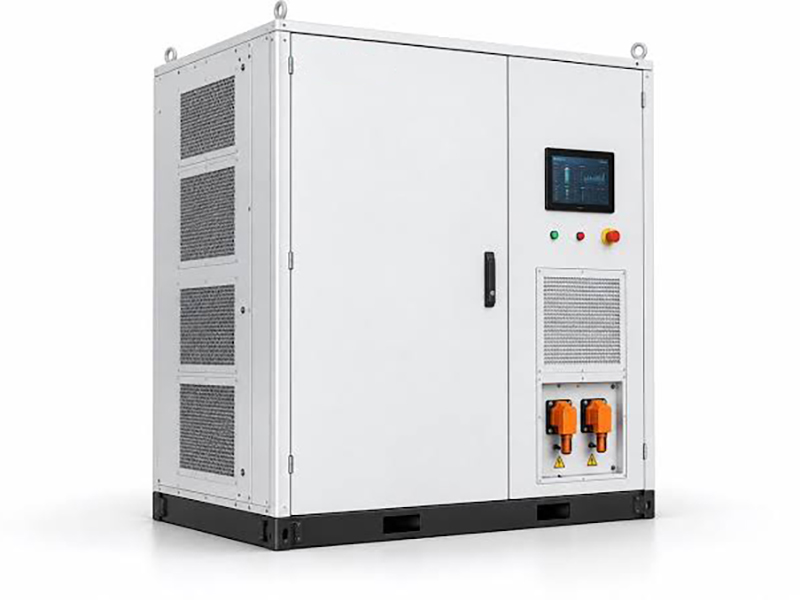
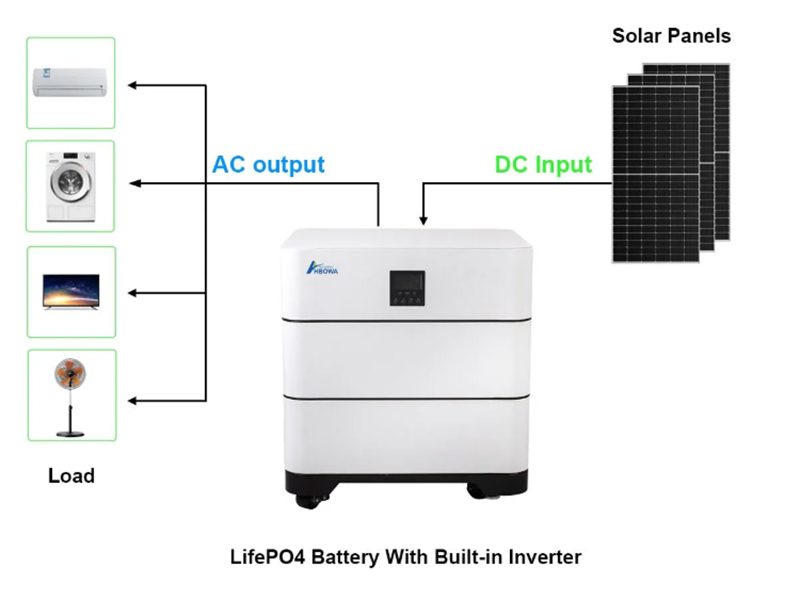
As we explain later on, there are numerous types of energy storage, but the main one is battery storage. As is the case with electric vehicles, mobile phones and torches, batteries store the energy and make it available on demand, but on a larger scale. And the development projections for storage are promising.
How energy storage works
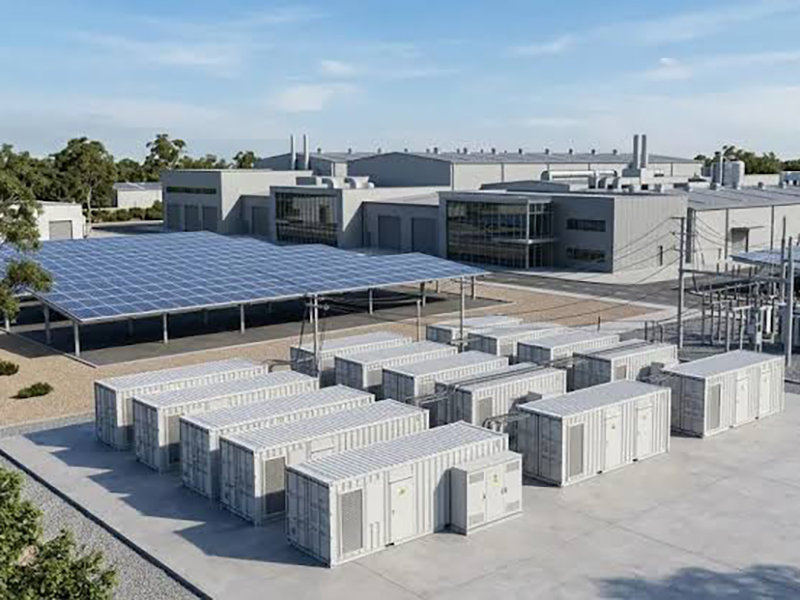
When the frequency of the electrical grid falls because of heightened demand, the storage system is able to deliver stored energy in just a few seconds; if the frequency increases due to a drop in demand, the system charges with the excess energy. This double function is fundamental to the stabilization of electrical grids.