What Is a Solar Energy Storage System?
Solar energy storage is essential for maximizing the value and reliability of solar power systems. Because solar energy is an intermittent source—only available during daylight hours—solar energy storage systems allow homes and businesses to store excess energy for use at night or during grid outages.
For off-grid systems, batteries are critical for providing 24/7 power availability. In grid-tied solar energy storage systems, hybrid setups with batteries enable homeowners to maintain power during blackouts and to shift energy usage based on cost and need.
In regions with time-of-use (TOU) electricity rates, solar energy storage solutions help customers reduce utility bills by storing energy when rates are low and discharging it when rates peak. This load-shifting capability can significantly reduce the solar system payback period while improving energy independence.
Types Of Solar Energy Storage Systems Explained
Installers should understand the different types of solar energy storage systems available—each suited to specific use cases based on application size, duration needs, and available space.
Electrical Storage
The most common form of solar energy storage today uses battery technology to store electricity. Popular battery chemistries include:
Lead-acid batteries (e.g., sealed AGM): Affordable but lower cycle life.
Lithium-ion batteries: High-efficiency and long lifespan. Two key chemistries:
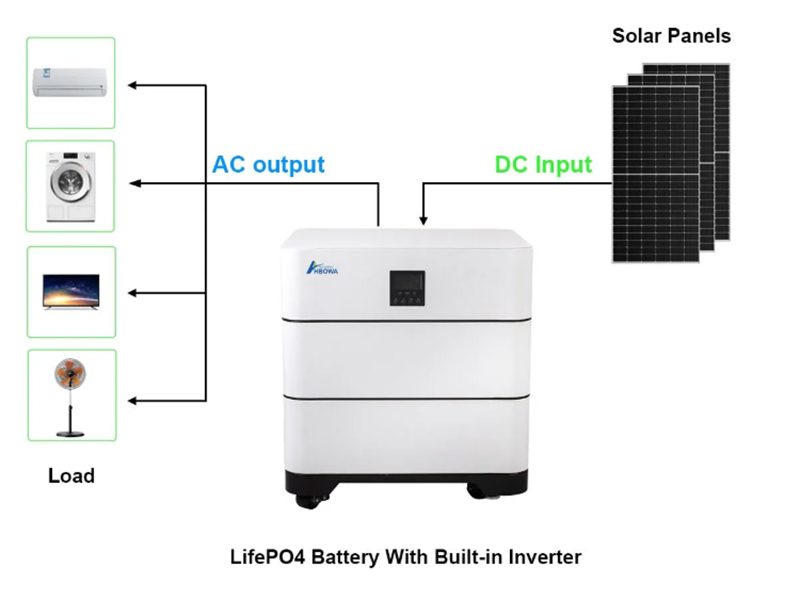
Lithium Iron Phosphate (LFP) – Stable, long-lasting, and ideal for solar power storage.
Nickel Manganese Cobalt (NMC) – Higher energy density, common in compact systems.
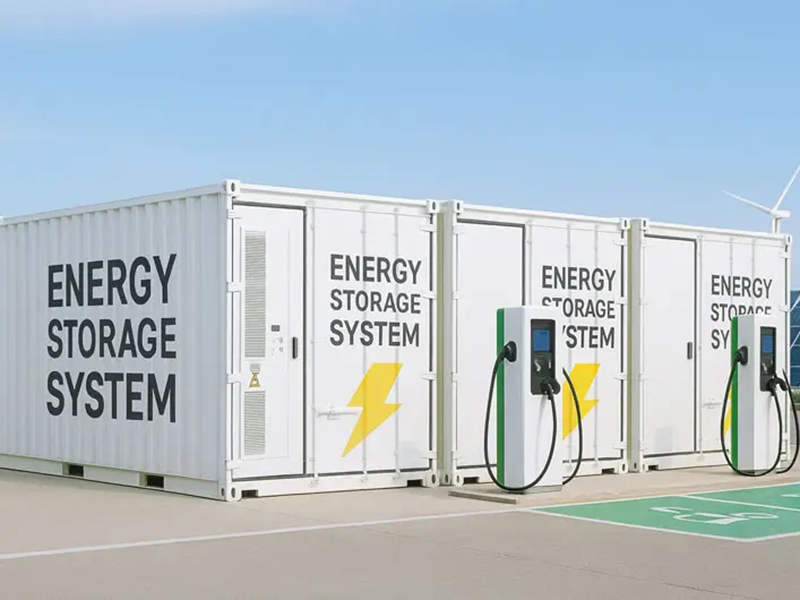
These technologies dominate the residential and commercial solar energy storage market, offering flexible solar energy storage solutions for backup and peak shaving.
Chemical Energy Storage Systems
Less common but emerging, chemical energy storage stores power in molecular bonds rather than direct electricity. A key example is hydrogen energy storage, which uses electricity to produce hydrogen via electrolysis. The hydrogen can then be stored and used in fuel cells to generate electricity—suitable for long-duration solar energy storage options or remote/off-grid use cases.