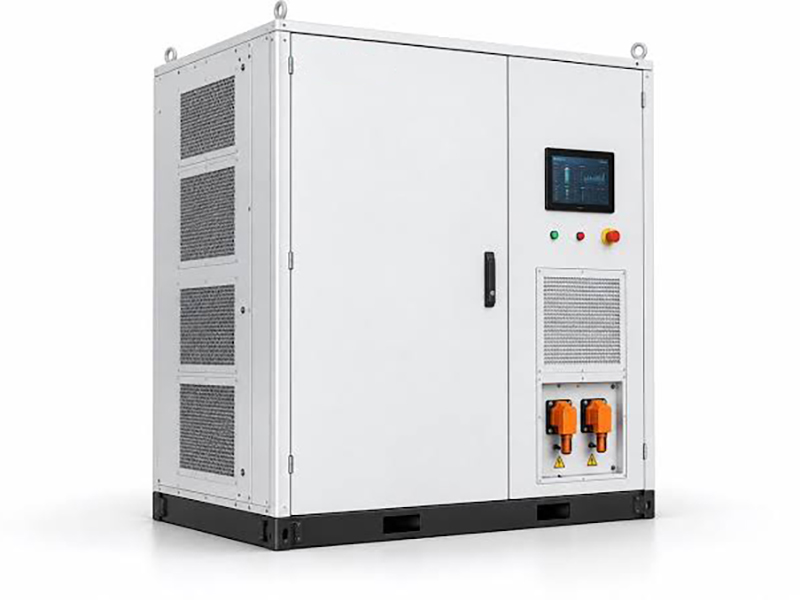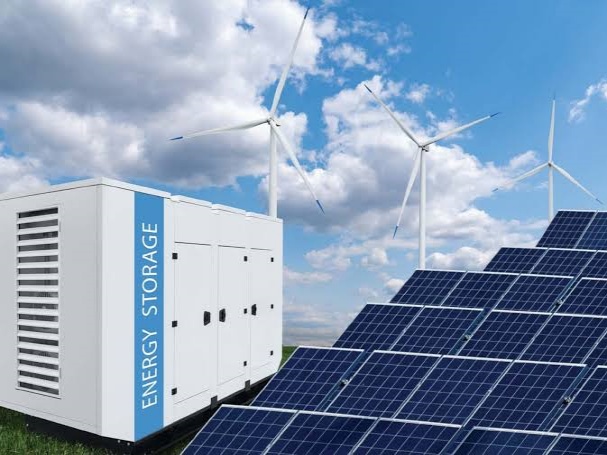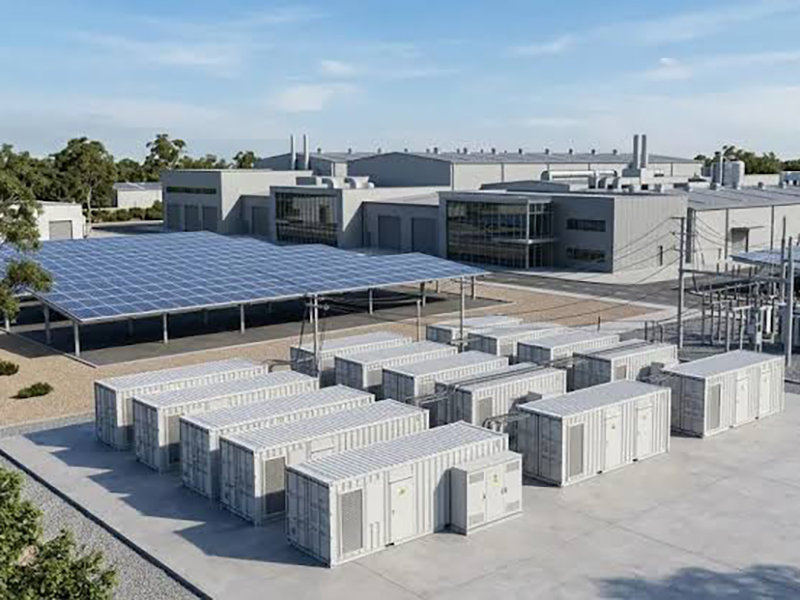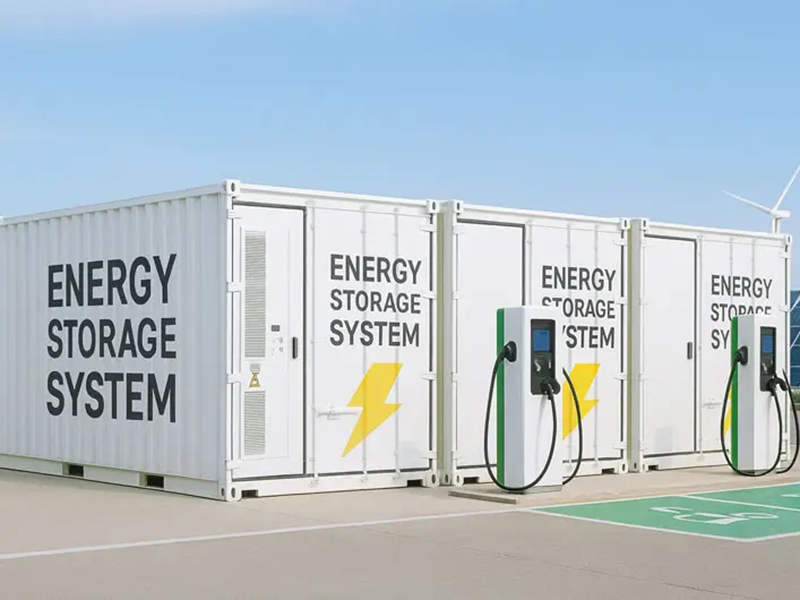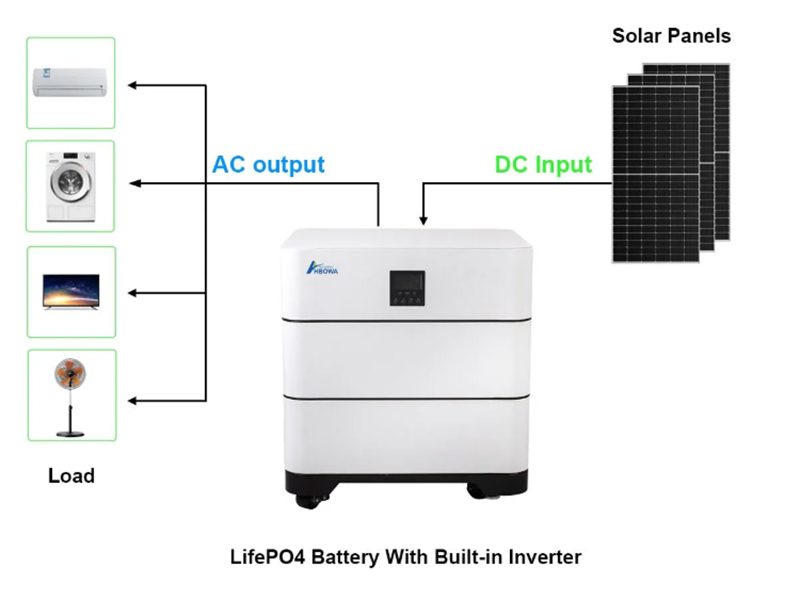
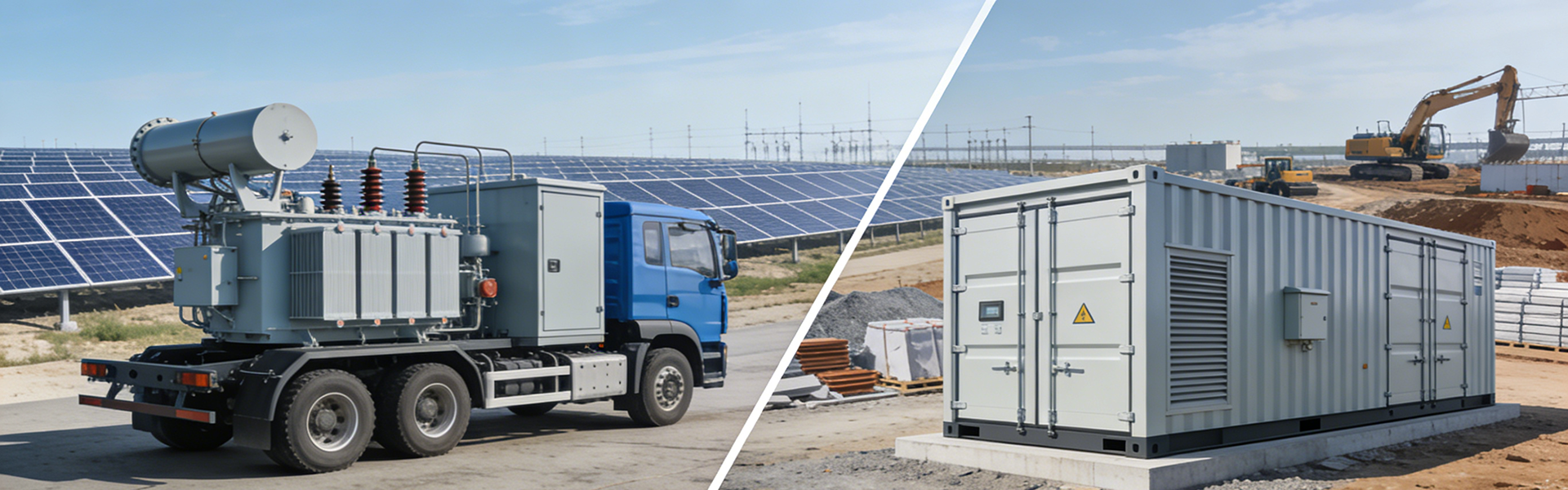
The Battery Management System (BMS) serves as the critical control hub for energy storage systems, ensuring the safe and efficient operation of diverse applications—ranging from grid-scale storage and commercial/industrial storage cabinets to residential storage units. Acting as the "brain" of the battery pack, it monitors key parameters (such as voltage, current, and temperature) in real time, optimizes battery performance, and effectively prevents potential hazards like thermal runaway.
Core Functions:
Real-time Monitoring: Tracks the battery's State of Charge (SOC), State of Health (SOH), and temperature.
Safety Protection: Prevents overcharging and over-discharging, while facilitating cell-level balancing management.
Remote Connectivity: Sends early warning notifications to users via wireless networks and supports intelligent data analytics powered by cloud-based platforms.
Performance Benefits: Extends battery lifespan by over 30%; reduces the risk of thermal runaway by 90%; and boosts system operational efficiency to 95%.
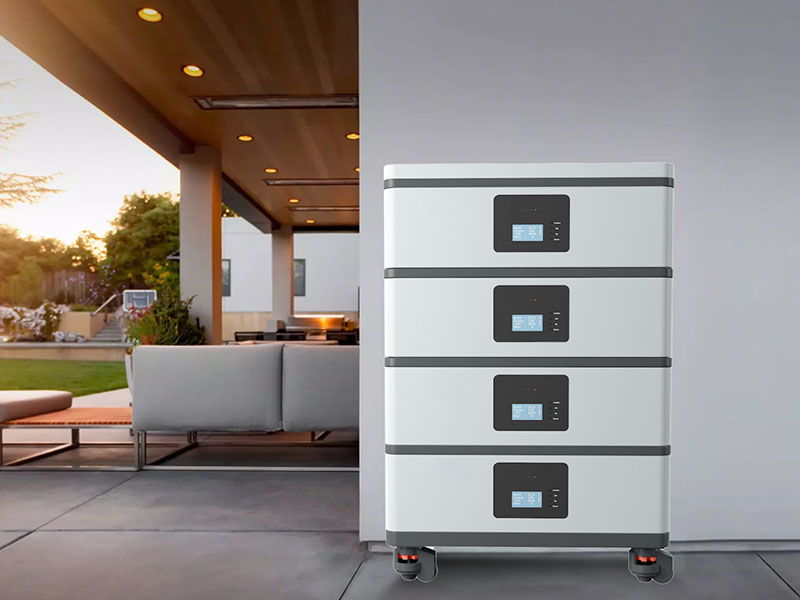
BMS Deep Dive: Detailed Hardware and Software Architecture
Hardware Components: Battery Control Unit (BCU): Integrates various data streams, communicates with the Energy Management System (EMS) and Power Conversion System (PCS), and executes system-wide operational strategies.
Battery Monitoring Unit (BMU): Monitors the voltage and temperature of individual battery cells and executes cell-balancing operations.
Various Sensors: High-precision Analog-to-Digital Converters (ADCs, with an accuracy of ≤±1mV), Hall-effect current sensors, and NTC thermistors.
Software Capabilities:
Advanced Algorithms: SOC estimation (based on Kalman filtering), SOH analysis, and predictive fault diagnostics.
Safety Protocols: Establishes a multi-layered safety protection framework, encompassing every level from software-based early warnings to hardware-level power-off protection.
Innovation Trends:
AI Integration: Leverages machine learning techniques to predict battery aging and degradation.
Applications of BMS?
Electric Vehicles (EVs): Manages the fast-charging and cell-balancing processes for battery packs in brands such as Tesla and NIO.
Grid-Scale Storage: Supports solar energy storage projects—such as those by companies like CATL—to facilitate the grid integration of renewable energy sources.
Aerospace and Military: For instance, the BMS systems adopted by SpaceX, which feature exceptional adaptability across extreme temperature ranges. Emerging Technologies: Adapted for cutting-edge applications such as sodium-ion batteries and V2G (Vehicle-to-Grid) networks.