
Introduction to Solar Battery Storage and OEM Manufacturing
The sun does not always shine, yet modern civilization refuses to dim. This paradox drives the quiet revolution of solar battery storage—technology that captures daylight and holds it hostage for the night. For businesses entering this arena, partnering with an OEM manufacturer transforms a complex supply chain puzzle into a turnkey solution. An OEM, or Original Equipment Manufacturer, designs and produces battery systems that other companies brand and sell, offering a shortcut through years of research and factory construction. The value lies not merely in components, but in the accumulated engineering wisdom embedded within each cell and enclosure.
Key Technologies and Components in Modern Battery Storage Systems
What sits inside these unassuming metal cabinets is a layered symphony of chemistry and control. Lithium iron phosphate (LFP) has emerged as the dominant cathode chemistry, prized for thermal stability and a cycle life exceeding 6,000 charges—outlasting older nickel-manganese-cobalt variants by decades of daily use. The battery management system (BMS) acts as the vigilant brain, balancing cell voltages within millivolts and cutting power in microseconds during fault conditions. Inverters convert direct current from panels into grid-compatible alternating current, while thermal management systems—whether passive cooling fins or active liquid loops—keep cells within their optimal 15–35°C window.
| Component | Primary Function | Typical Specification |
|---|---|---|
| LFP Cells | Energy storage | 280Ah, 3.2V nominal |
| BMS | Cell monitoring & protection | ±5mV voltage balance |
| Inverter | DC to AC conversion | 5–50kW continuous |
| Cooling System | Temperature regulation | Passive air to liquid loop |
| Enclosure | Physical protection | IP54–IP65 rating |
Benefits of Partnering with an OEM Manufacturer for Solar Batteries
Customization Options: Capacity, Design, and Integration
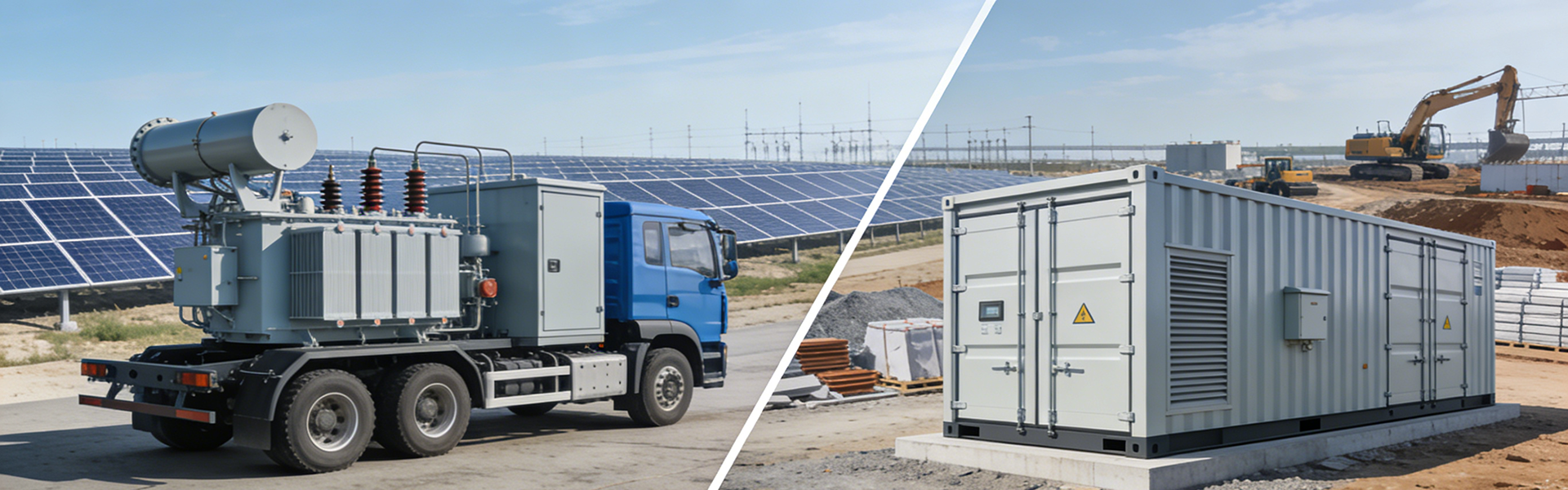
No two commercial rooftops are identical, and neither should their storage systems be. OEM partners offer modular scalability, from compact 5kWh residential units to containerized 5MWh utility blocks. Physical design adapts to your constraints—wall-mounted slim profiles for tight corridors, or rack-mounted versions for standard server cabinets. Integration extends beyond hardware: communication protocols can be tailored to your existing energy management software, enabling seamless interaction with solar inverters, EV chargers, and building automation systems. Even color schemes and logo placement can be customized to ensure your brand identity carries through to every installation.
Quality Assurance, Certifications, and After-Sales Support
The true measure of an OEM emerges after the sale. Rigorous quality assurance protocols—including 100% cell testing, automated optical inspection of welds, and burn-in cycling of every completed unit—prevent field failures before they occur. Certifications form the passport to global markets: IEC 62619 for safety, UN38.3 for transport, and UL 9540 for installation in North America. A dependable manufacturer maintains regional service centers with spare parts inventories, offering remote firmware updates and diagnostics that resolve issues without expensive site visits. Training programs for your installation teams ensure that the people handling the hardware understand its quirks as intimately as the engineers who designed it.