
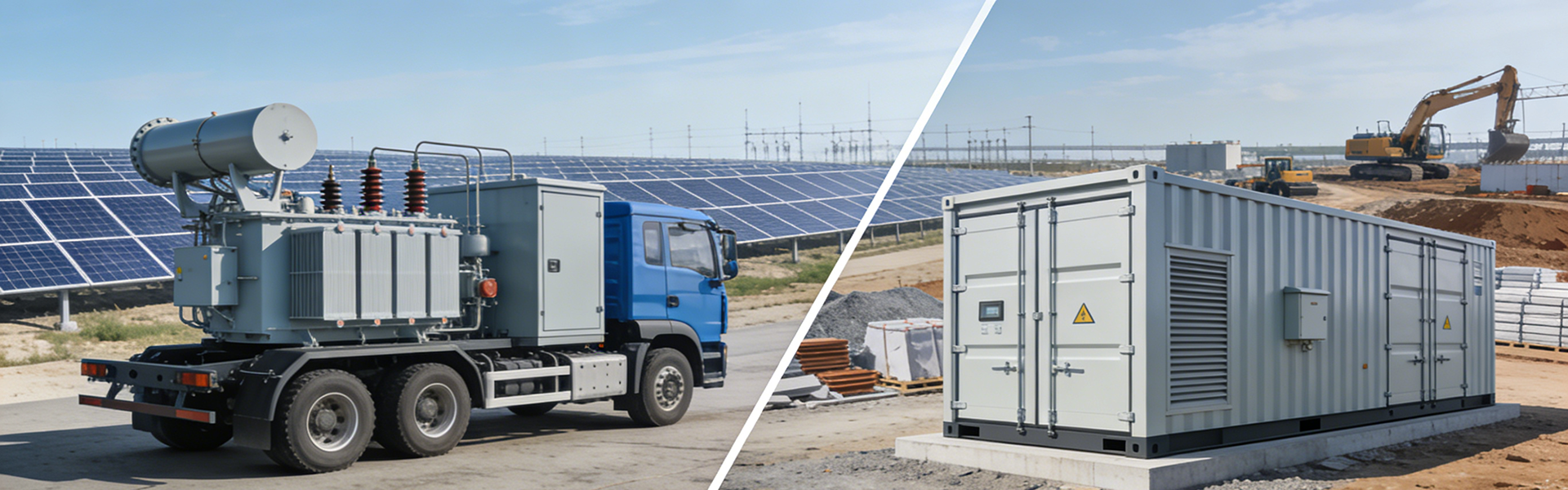
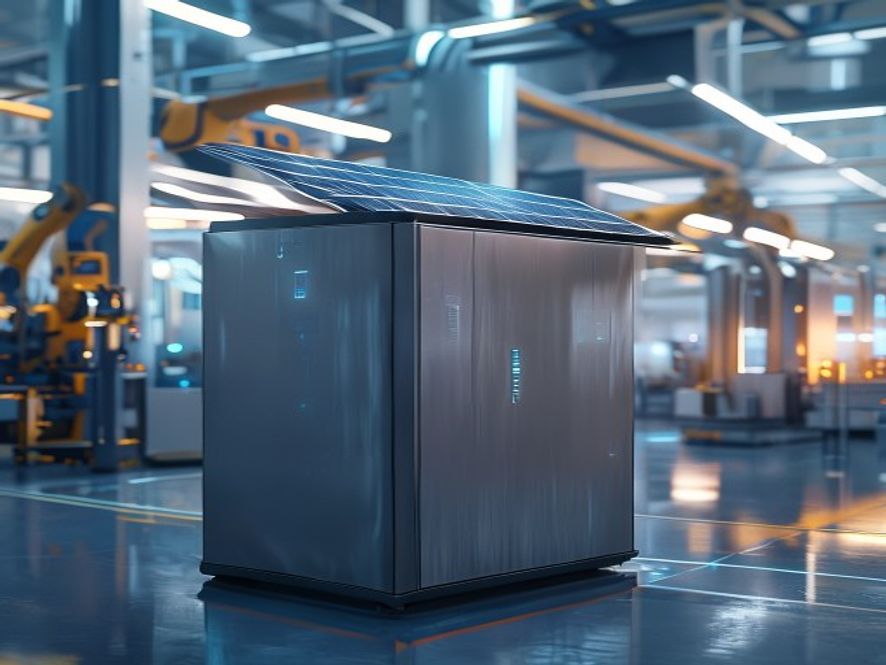
Why Choose OEM Custom Design for Solar Energy Cabinets
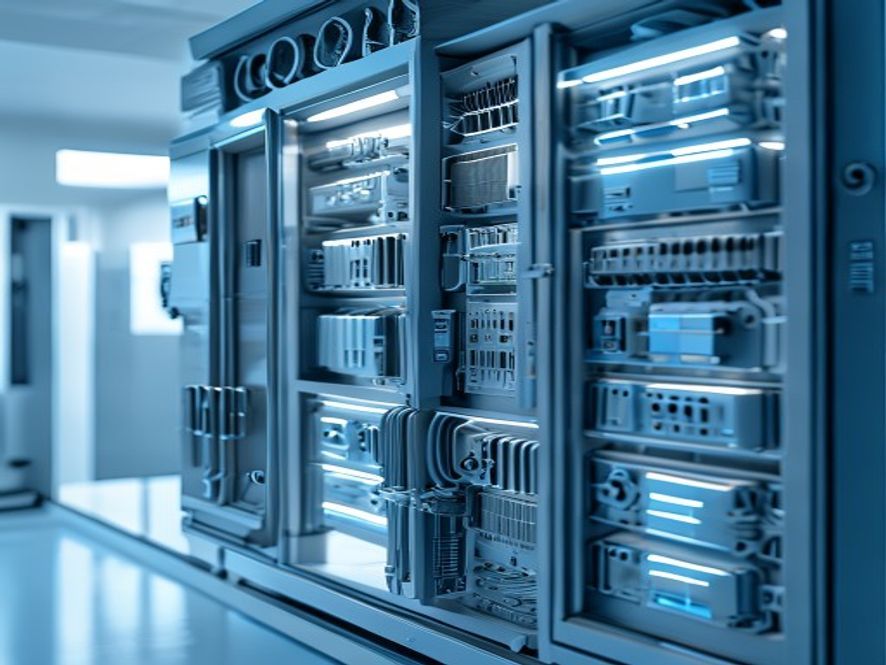
Key Features and Benefits of Direct Manufacturer Partnerships
Working directly with the factory bypasses the layers of distributors and middlemen, yielding significant cost efficiencies and control. A direct partnership provides unparalleled transparency into material sourcing and production schedules, enabling real-time adjustments to design changes. The benefits are tangible: lower unit costs due to eliminated markups, faster prototype turnaround, and the ability to enforce strict quality benchmarks from raw material to final assembly. Furthermore, direct communication with engineers means that complex requirements, such as custom locking mechanisms for anti-theft or specific thermal management solutions, can be resolved in hours rather than weeks. This streamlined supply chain transforms the cabinet from a passive enclosure into an active, integrated component of the energy ecosystem.
| Feature | Standard Cabinet | OEM Custom Cabinet |
|---|---|---|
| Material Grade | Fixed (e.g., standard steel) | Variable (e.g., 316 stainless steel, aluminum) |
| Thermal Management | Basic vents | Custom heat sinks, active cooling systems |
| Size & Layout | Fixed dimensions | Optimized for specific components |
| Lead Time | Stock (2-4 weeks) | Design-to-production (6-12 weeks) |
| Cost per Unit | Lower (volume-based) | Higher (but lower total system cost) |
The Custom Design Process: From Concept to Production
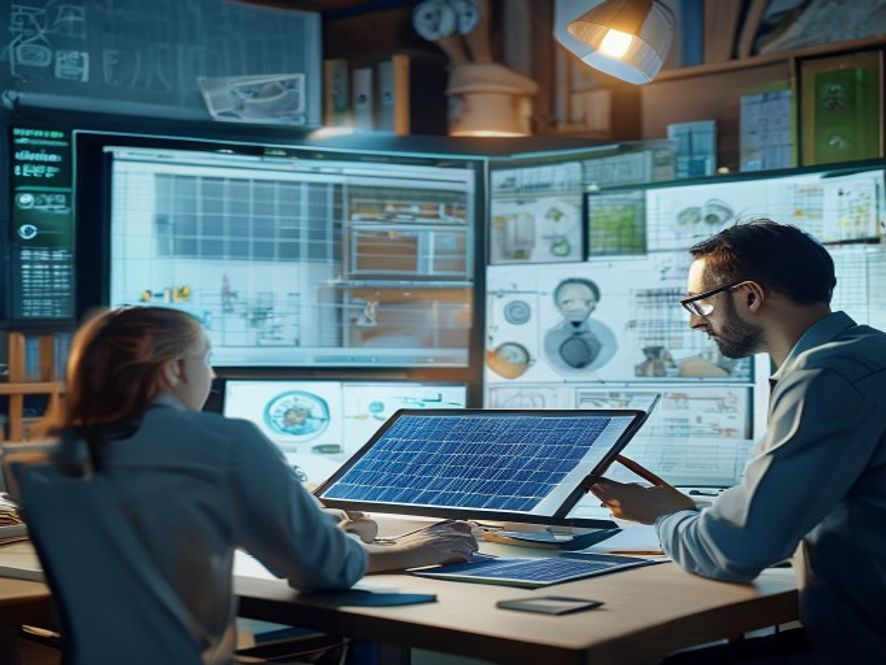
The journey from a technical specification to a physical cabinet begins with a collaborative design review, where the manufacturer’s engineering team analyzes load calculations, environmental stressors, and access requirements. Using 3D modeling software, they create a digital twin of the cabinet, simulating heat dissipation, wind load resistance, and cable routing to identify potential issues before any metal is cut. Once the design is validated, a prototype is fabricated for physical testing—checking door seals under pressure, verifying lock integrity, and confirming that all mounting brackets align perfectly with the solar equipment. Only after this rigorous validation process does the design move to production, where precision laser cutting and robotic welding ensure repeatable quality across the entire batch. This systematic workflow minimizes costly field modifications and ensures the final product is a perfect fit for the unique installation site.
Quality Assurance and Compliance Standards
A reputable OEM manufacturer does not merely build cabinets; they certify them. Every unit undergoes a series of mandatory quality checks, including ingress protection (IP) testing to verify resistance against dust and water, and structural integrity tests to confirm compliance with international standards like IEC 61439. For outdoor installations, cabinets are subjected to accelerated UV aging and salt spray tests to guarantee performance over a 20-year lifespan. The manufacturer provides a detailed Certificate of Conformance for each batch, documenting material traceability and test results. This documentation is critical for project financing and insurance, as it proves the enclosure meets the required safety and durability thresholds. Without this rigorous oversight, a simple cabinet failure could lead to catastrophic downtime or fire risk.