Overview of Grid-Tied Solar Systems
A grid-tied solar system, often called a grid solar kit, connects directly to the local utility grid, allowing for a seamless integration of solar-generated electricity and grid-supplied power. The system harnesses solar energy during sunny periods to power your home or business. Excess energy produced is fed back into the grid, often resulting in credits through net metering programs. Conversely, during periods of low solar production, such as cloudy days or nighttime, electricity is drawn from the grid to meet energy demands.
How Grid-Tied Solar Works
A grid-tied solar system is connected to the local utility grid and uses solar panels to generate electricity. The system works in tandem with the grid to deliver as much energy as possible. Here’s how it works:
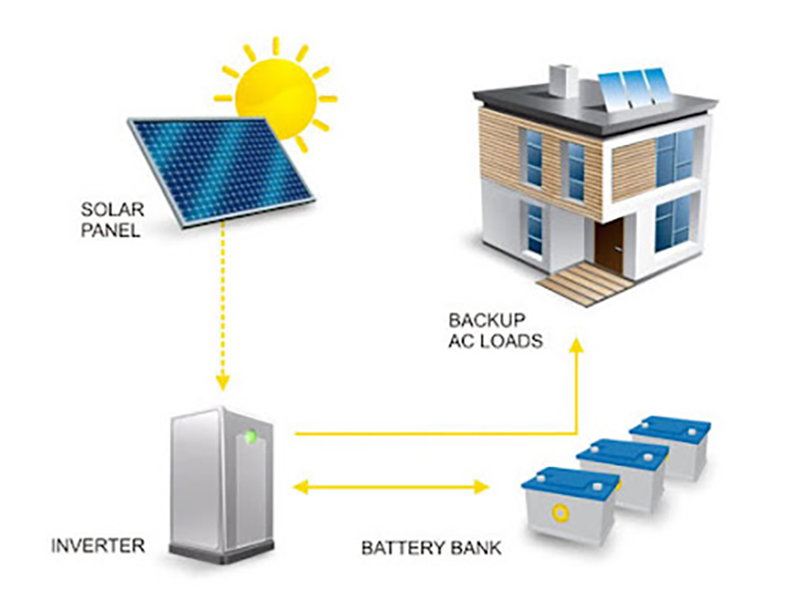
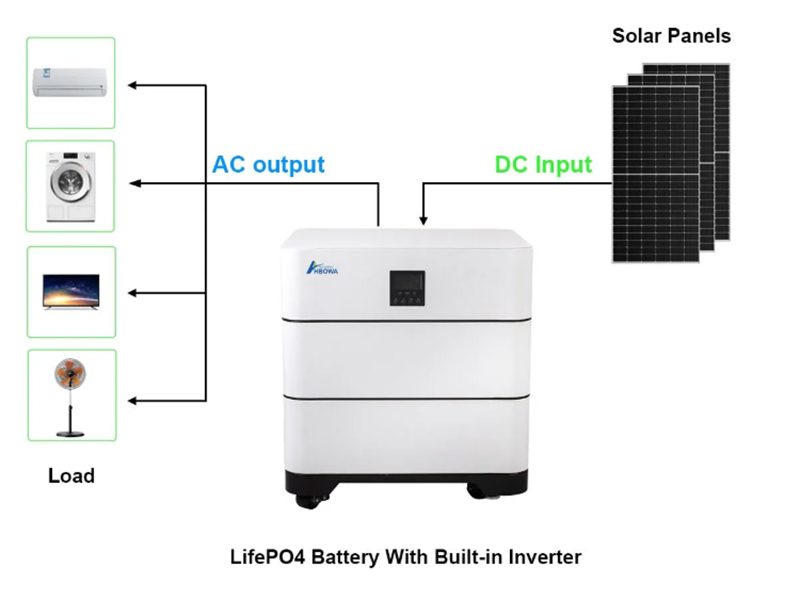
Solar Panels: Solar panels convert sunlight into DC electricity.
Inverter: The DC electricity is sent through an inverter, which converts it into AC electricity.
Net Meter: The AC electricity is then fed into the grid through a net meter.
Measurement: The net meter measures the amount of electricity produced by the solar system and the amount of electricity consumed by the household.
Excess Energy: If the solar system produces more electricity than the household consumes, the excess energy is sent back to the grid, and the household receives credits.
Grid Supply: If the solar system produces less electricity than the household consumes, the household draws electricity from the grid.
Grid-tied solar systems are popular due to their low cost and simple system design. However, they cannot provide backup power during a power outage.
Advantages of Grid-Tied Systems
Cost-Effectiveness: Grid-tied systems are generally more affordable due to the absence of expensive battery storage components. The utility grid acts as a virtual battery, balancing energy production and consumption.
Net Metering Benefits: Excess energy fed back into the grid can earn credits, effectively reducing or even eliminating your electricity bill. This arrangement enhances the financial viability of the system.
Reliability: Access to the utility grid ensures a continuous power supply, even during periods when solar energy production is insufficient.
Disadvantages of Grid-Tied Systems
Less Energy Independence: Unless designed to, most grid-tied systems will not function when the grid is down. Thus leaving you without power during outages, which is a reason most customers want solar systems.
Exploring Off-Grid Solar Systems
An off-grid solar system, also known as an off grid system, operates independently from the utility grid, relying solely on solar panels and battery storage to supply electricity. During daylight hours, solar panels generate electricity to power your home or business and charge the battery bank. Stored energy is then utilized during nighttime or overcast conditions, ensuring a continuous power supply without reliance on the utility grid.
Advantages of Off-Grid Systems
Energy Independence: Off-grid systems provide complete autonomy from utility providers, offering freedom from fluctuating energy prices and grid outages, making it a highly reliable solar energy system.
Sustainability: By generating and consuming your renewable energy, you significantly reduce your carbon footprint, contributing positively to environmental conservation.
Disadvantages of Off-Grid Systems
Higher Initial Cost: Off-grid solar systems require an ample battery bank to store energy needed for non-daylight or low light periods. While lithium battery technology has made great advances lowering prices. Batteries still represent a major cost in an off-grid system. Additionally, in large and critical load situations a backup generator may be desirable which can also add to the cost of a system.