
Introduction to Solar Energy Cabinets
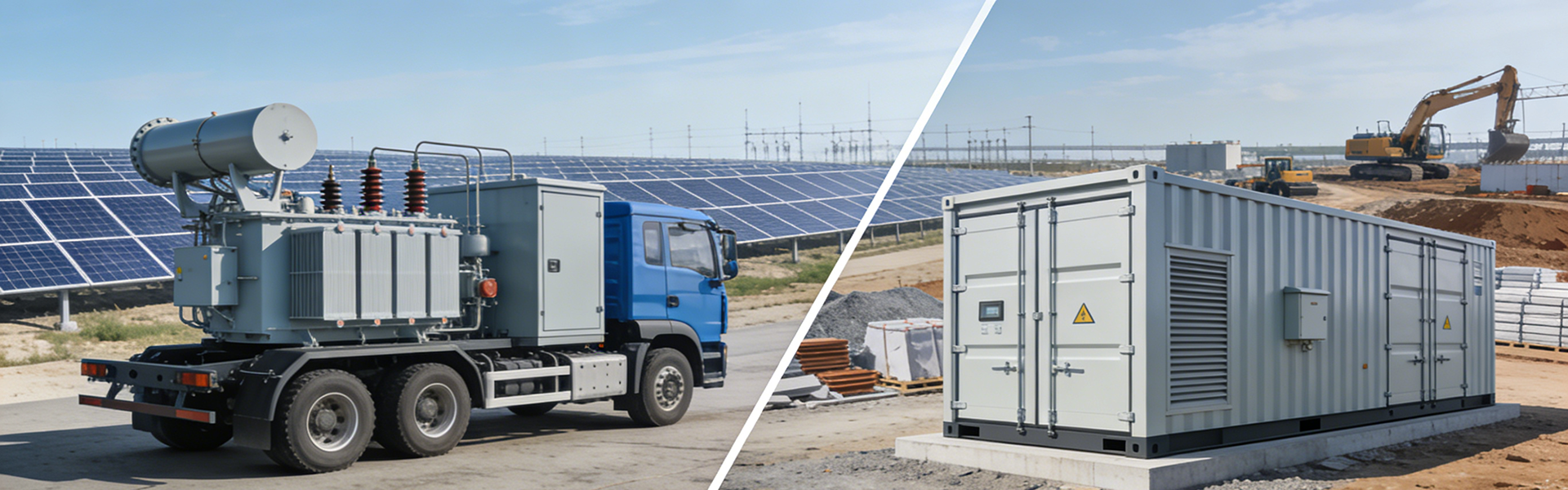
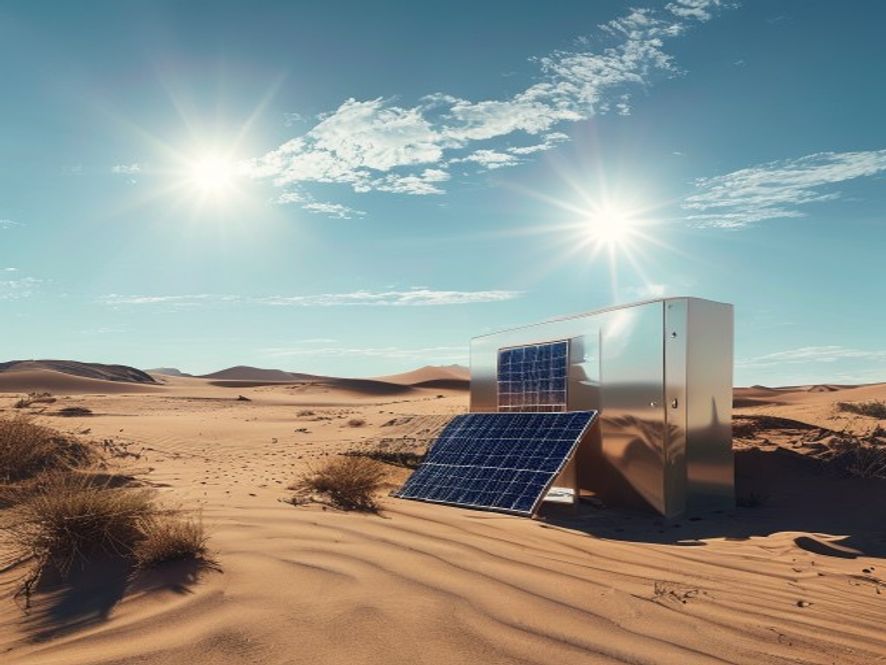
Have you ever wondered how power reaches those far-off construction sites, disaster zones, or wildlife monitoring stations? The answer often lies in a compact, self-contained unit called a solar energy cabinet. Think of it as a miniature power plant in a box, designed to capture sunlight and convert it into usable electricity right where it's needed. Unlike traditional generators that guzzle diesel, these cabinets offer a clean, quiet alternative. They are engineered to be rugged and reliable, making them an ideal solution for places where the electrical grid simply doesn't reach. So, what exactly makes them tick?
Key Components and Design Features
Advantages for Remote Power Applications
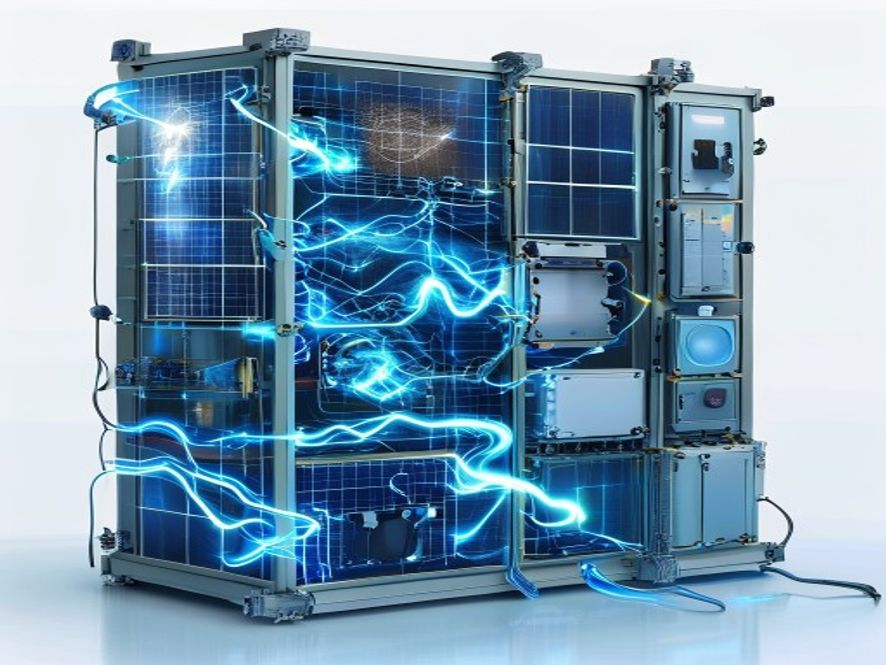
Why choose a solar cabinet over a diesel generator for remote power? The benefits are compelling. First, there's the fuel factor: solar energy is free and abundant, eliminating the need for costly fuel deliveries to hard-to-reach sites. Second, maintenance is minimal because there are no moving parts to wear out. This translates to lower long-term operational costs. Third, they operate silently, which is crucial for sensitive environments like research stations or residential areas. Plus, they produce zero emissions, aligning with sustainability goals. For remote applications, reliability is king, and these cabinets deliver consistent power without constant human intervention. Imagine powering a telecommunications tower in the mountains without a single fuel truck—that’s the promise.
Rapid Deployment and Installation Process
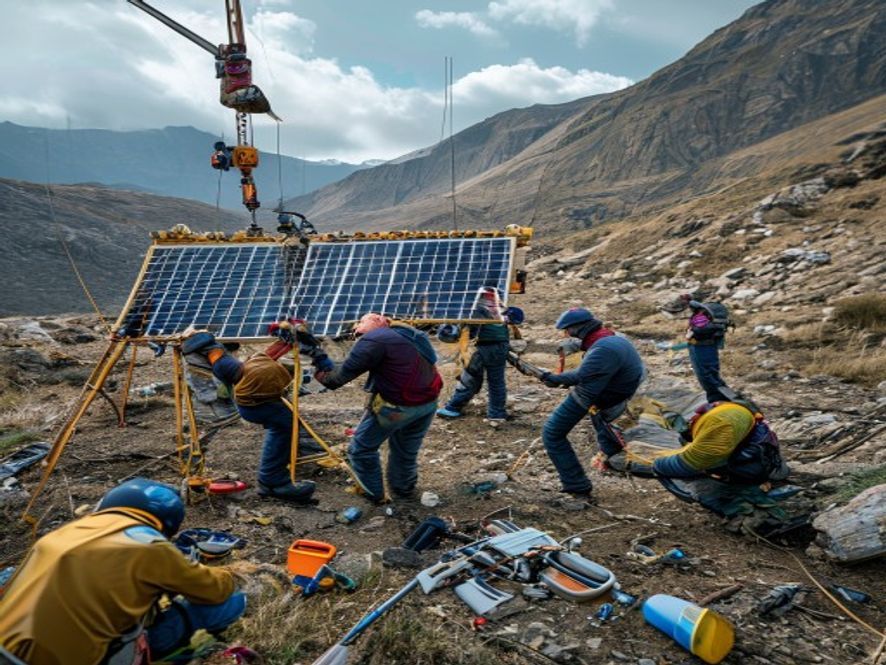
Time is often of the essence in remote projects, and that's where rapid deployment shines. These cabinets are designed for speed. Typically, they arrive pre-assembled and pre-configured, meaning you can have them up and running within hours. The process is straightforward: choose a sunny spot, prepare a flat base (like concrete pads or gravel), and then position the cabinet. After that, you connect the solar panels—which often fold out like wings—and plug in your load. No specialized electrical crews are needed for basic setup. Some models even include integrated lifting points for helicopter drops into inaccessible areas. This ease of installation drastically reduces project delays and labor costs. Below is a comparison of typical deployment scenarios:
Case Studies and Future Outlook
Real-world examples highlight their effectiveness. For instance, a mining company in Chile used solar cabinets to power remote drilling rigs, cutting fuel costs by 70%. In Australia, emergency response teams deployed them after bushfires to run communication hubs and water pumps. Looking ahead, the future is bright. Advancements in battery technology, like lithium-ion, are making cabinets lighter and more efficient. Smart monitoring systems now allow operators to track performance via smartphone apps. As renewable energy costs continue to fall, solar energy cabinets will likely become the default power source for off-grid projects worldwide—a quiet revolution in the way we think about remote electricity.