What is an Off-Grid Solar System?
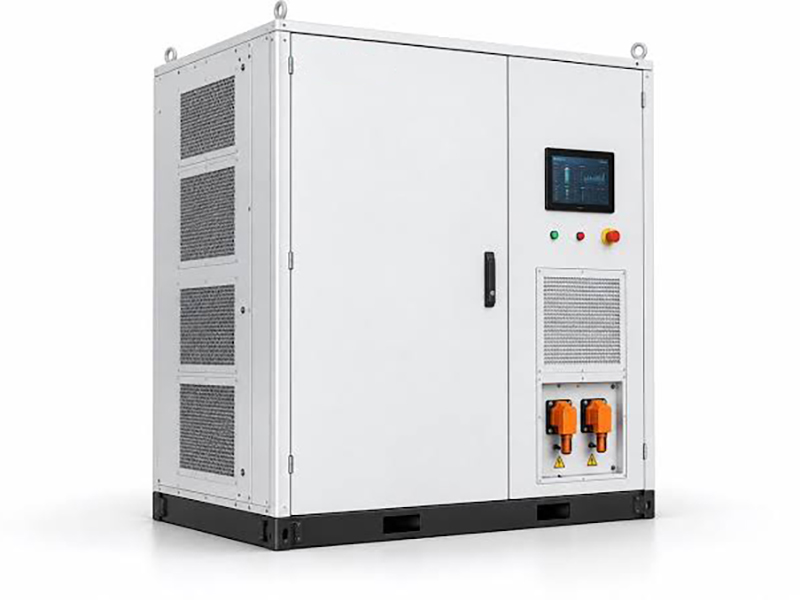
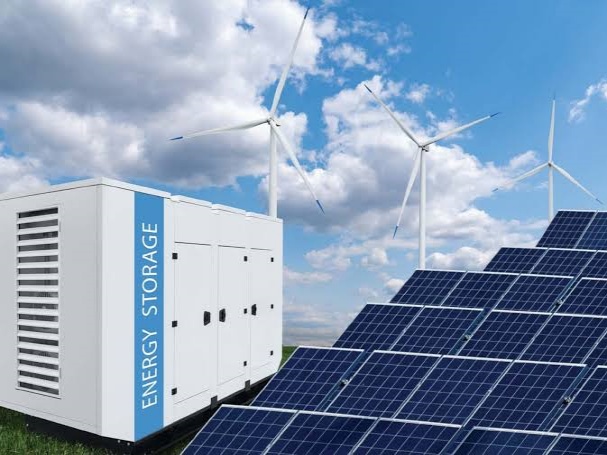
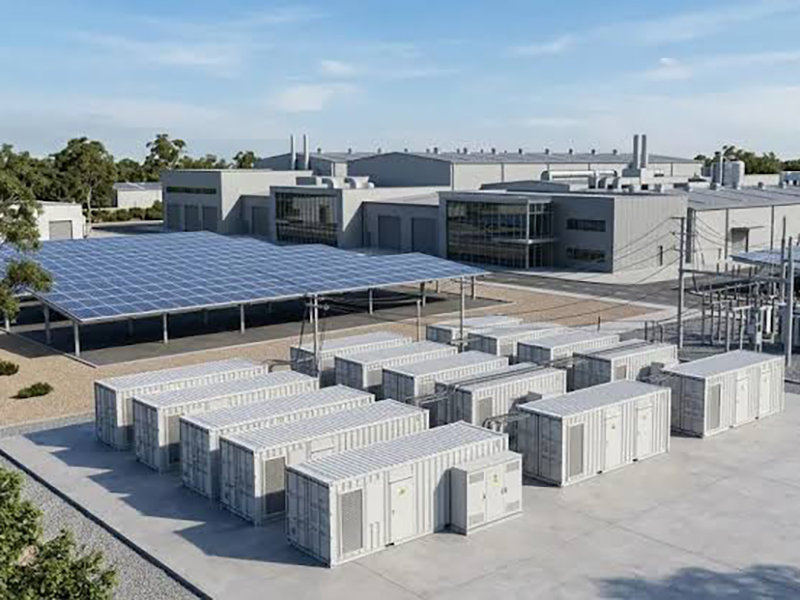
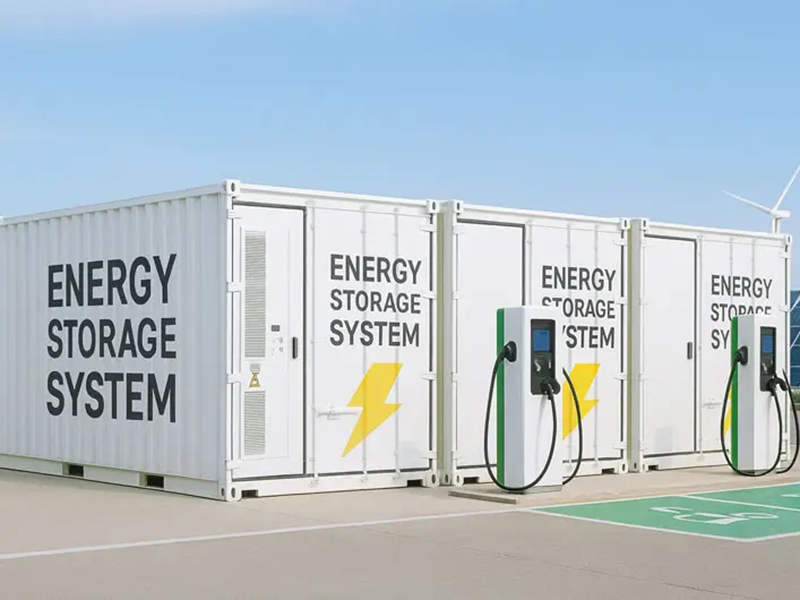
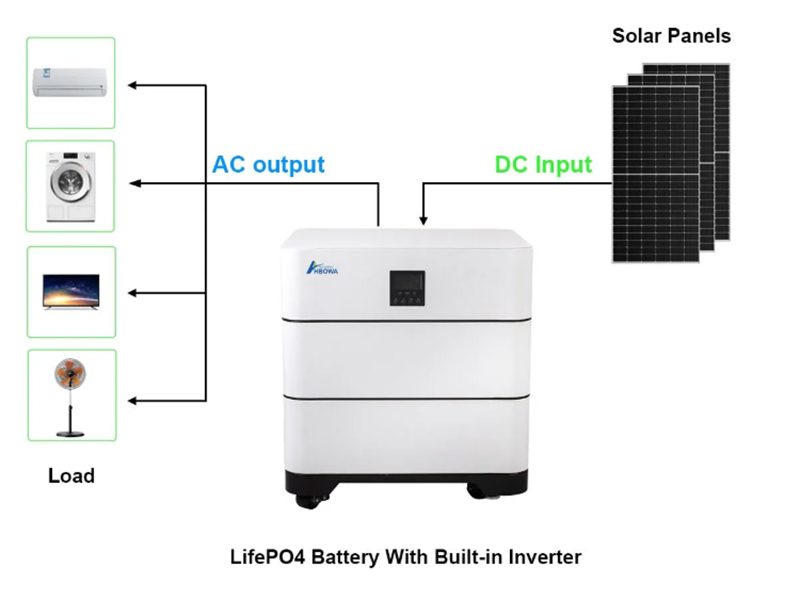
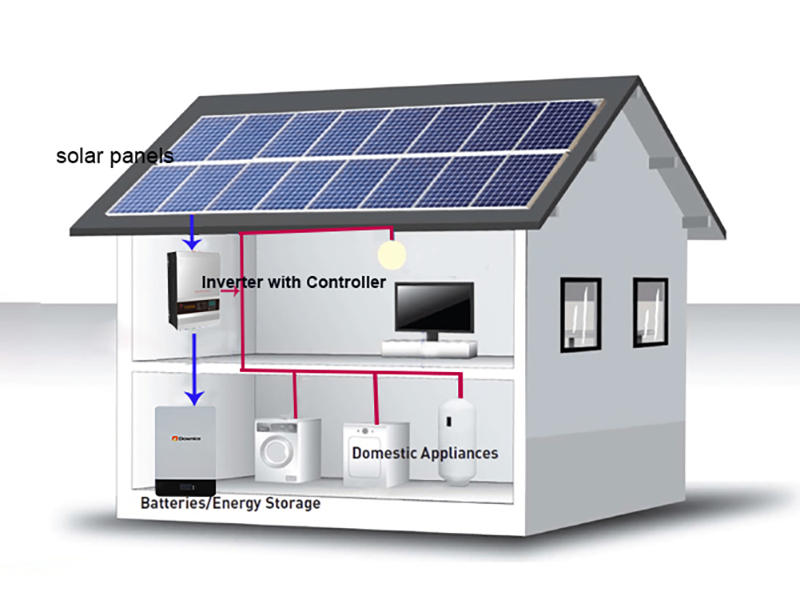
An off-grid solar photovoltaic system consists of solar panels, an inverter, and solar batteries used for energy storage. Unlike grid-tied solar systems equipped with backup batteries, off-grid systems are designed specifically for buildings that are not connected to the public utility grid. Occasionally, such systems also integrate a backup generator to provide additional power support during periods of prolonged cloudy weather. Off-grid solar systems often prove to be the most cost-effective solution when the cost of extending the public grid to a residence is prohibitively high or simply unfeasible.
Off-Grid Solar = More Environmentally Conscious Energy Use
You may be accustomed to drawing an unlimited supply of electricity from the utility grid. However, adopting an off-grid model limits your electricity consumption to the amount you are able to generate and store yourself. Many people are surprised to discover that, once they transition to off-grid living, they become far more mindful of their energy usage than ever before. Before installing a system, it is crucial to determine the minimum electricity requirements needed to maintain a comfortable lifestyle.
Assessing Your Energy Usage
To better understand your electricity usage patterns and requirements, begin by conducting a comprehensive energy audit. This involves continuously tracking the power consumption of all your appliances and devices to identify which ones are the primary energy hogs. By recording your energy consumption—both on a daily basis and during peak usage hours—you can assess your overall consumption levels and pinpoint your specific needs. Furthermore, evaluating the energy efficiency of your appliances and considering how your energy usage fluctuates with the seasons will help you gain a clearer, holistic picture of your total energy requirements. Armed with these detailed insights, you can more accurately size your off-grid solar system, ensuring it is capable of meeting both your current energy needs and any potential future increases in demand.
Determining System Voltage Specifications
Selecting the appropriate voltage specifications for an off-grid solar system requires a comprehensive assessment of both your energy requirements and the overall operational efficiency of the system. Generally speaking, 12-volt systems are suitable for smaller applications with lower energy demands—such as RVs or small cabins—while 24-volt systems are better suited for average households with a daily energy consumption ranging between 1,000 and 5,000 watts. Higher-voltage systems (such as 48-volt systems) offer superior operational efficiency; they effectively minimize voltage drop during wiring runs, allow for the use of longer cable lengths, and keep energy losses to a minimum. Crucially, you must ensure that the voltage specifications of your solar panels, battery bank, and inverter are mutually compatible to guarantee system integrity and optimize performance. By carefully weighing your total electrical load, the wiring distances between components, and the procurement costs of those components, you can select the most appropriate voltage specifications for your off-grid solar system.
Do Off-Grid Systems Require Maintenance?
Regular maintenance of off-grid solar systems is crucial for ensuring their operational efficiency and extending their service life. Routine maintenance tasks include: cleaning solar panels to remove dust and dirt that may impede sunlight absorption; monitoring and maintaining battery charge levels and condition to prevent performance degradation and ensure optimal operation; and conducting visual inspections of inverters and other system components to promptly identify and address any signs of wear or malfunction. Furthermore, it is essential to periodically inspect wiring and connections for damage or corrosion, and to ensure that the firmware for charge controllers and inverters remains up to date. By adhering to these maintenance protocols, you can enhance the reliability of your off-grid PV system and prevent potential failures that could lead to power interruptions.