
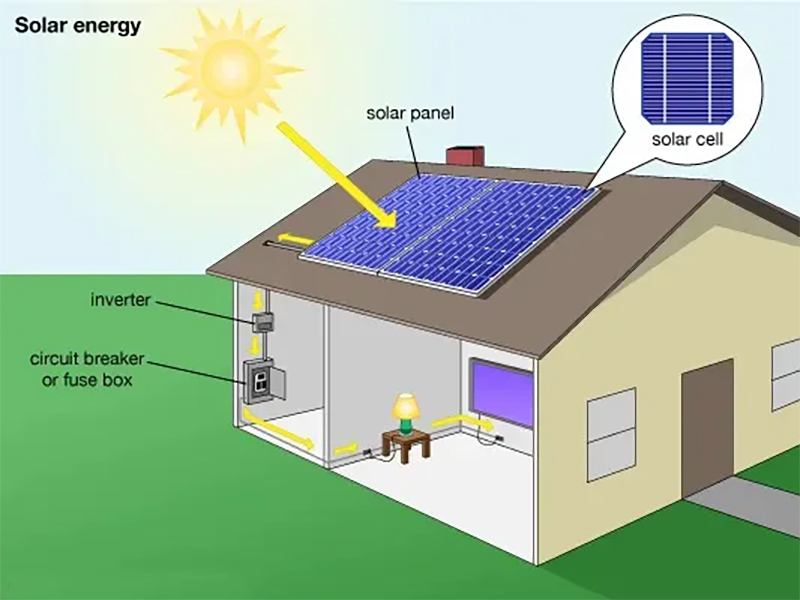
Solar power systems are all different but share similar components and characteristics. Different panels, inverters, and batteries make up a system, and all systems are either alternating current (AC) coupled systems or direct current (DC) coupled systems.
The main difference between an AC-coupled and a DC-coupled system is the path electricity travels after solar panels produce it.
AC solar battery-coupled systems are more common in residential and commercial solar installations, while DC solar battery-coupled systems are often used in off-grid and remote installations. However, DC-coupling is gaining traction today with more options becoming available.
Which System is Right for You?
When deciding between an AC-Coupled system and a DC-coupled system, it’s important to ask a few questions. Is there an existing solar system on site, and do you want to add an energy storage system to it? Are you installing a new solar and energy storage system at the same time? How important are upfront installation costs and a less complex installation process? Before deploying any system, developers need to ensure the economics pencil out, whether it’s a solar-only system or if energy storage is a viable option.