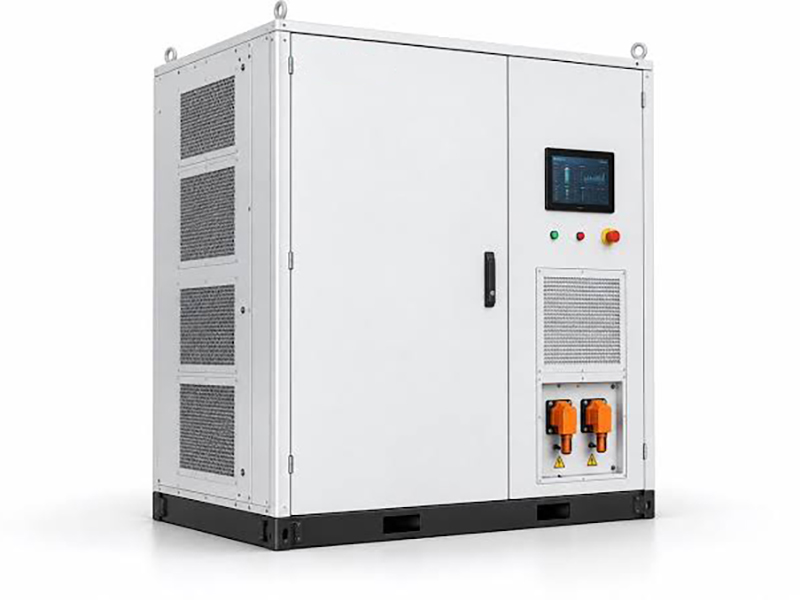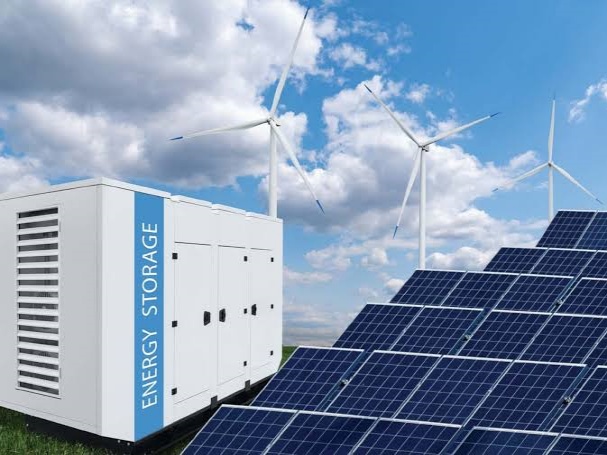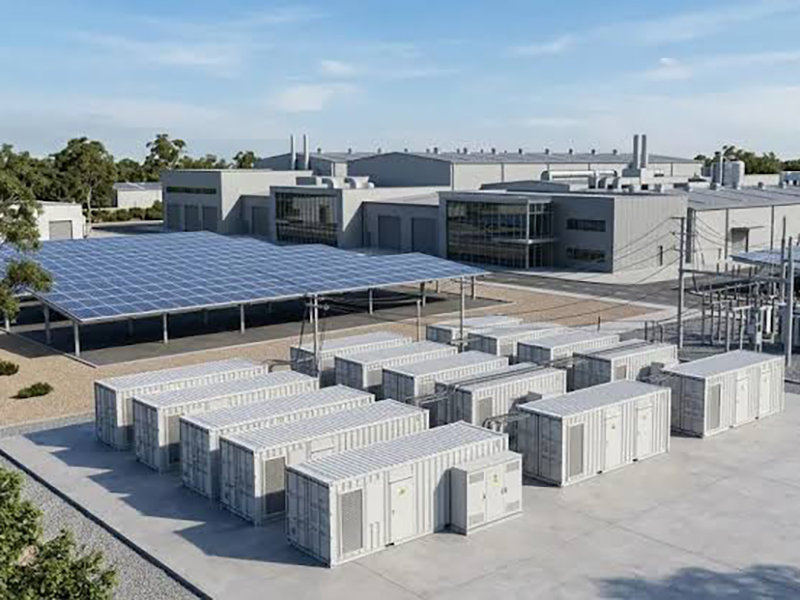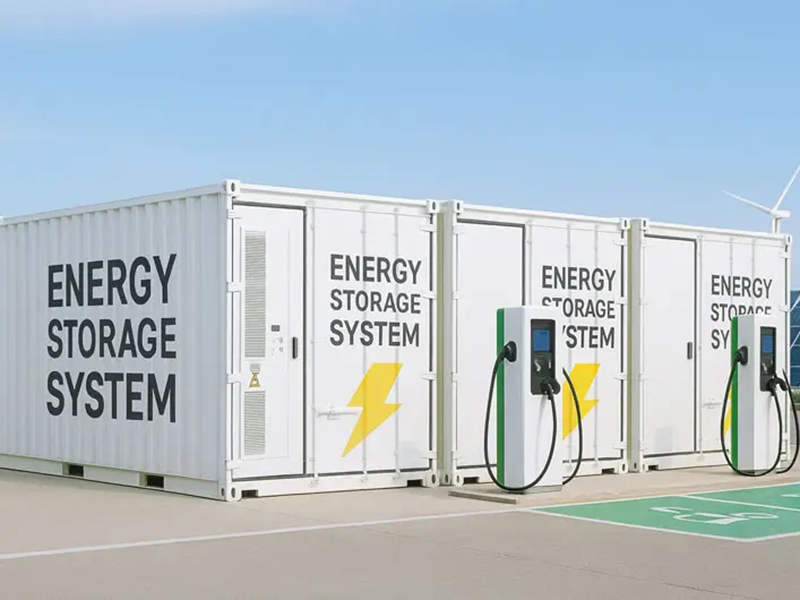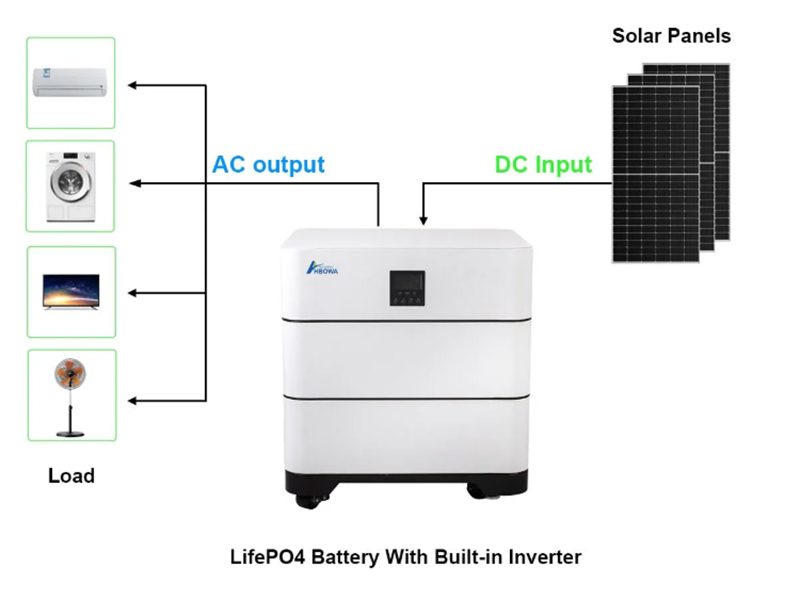
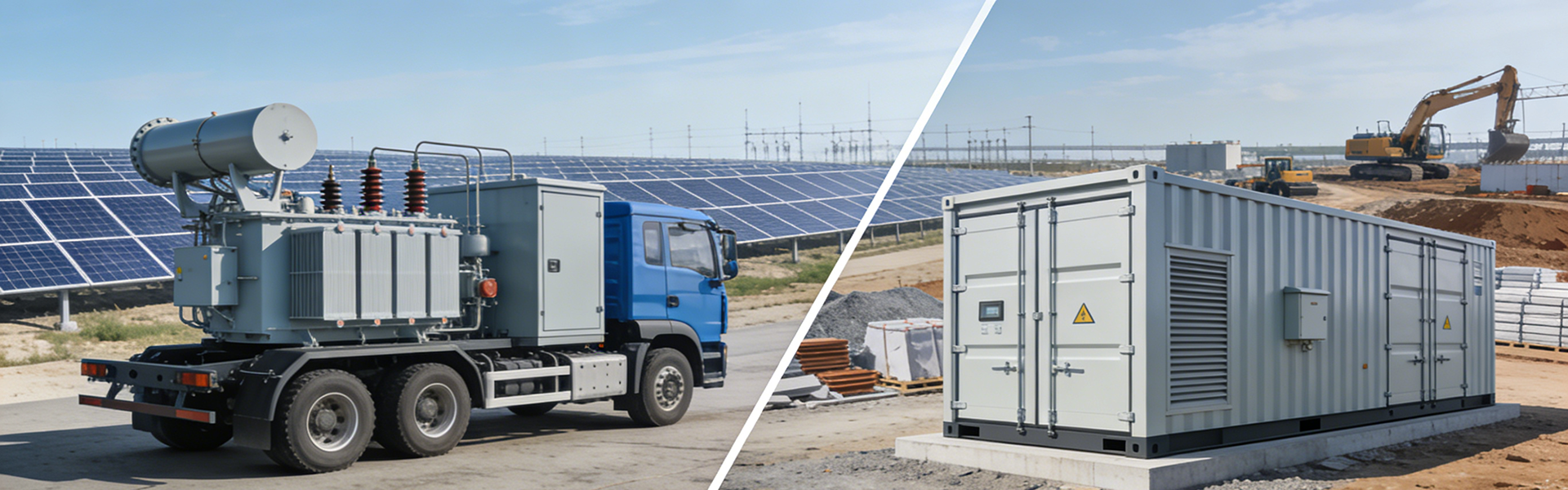
Energy Storage System (ESS) batteries are rechargeable batteries designed to store electrical energy for later use. These batteries constitute a critical component of energy storage systems, capable of storing surplus energy generated during periods of low demand—such as during the daytime when solar power generation is at its peak—and releasing it during periods of peak demand, thereby balancing energy supply and demand. ESS batteries are widely utilized in fields such as renewable energy systems, grid stabilization, and backup power supply.
Types of ESS Batteries
Lithium-ion Batteries (Li-ion)
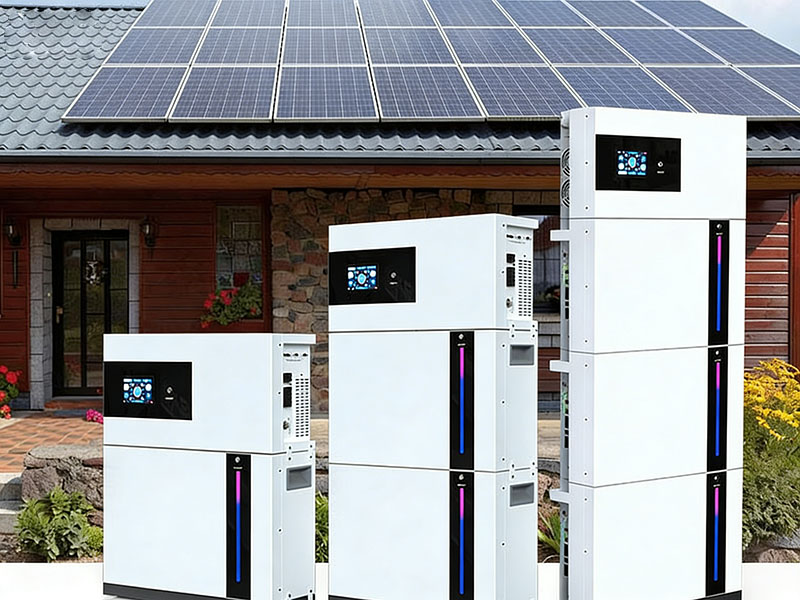
Lithium-ion batteries are currently the most widely used type of ESS battery, owing to their high energy density, long cycle life, and relatively low maintenance requirements. They are commonly employed in residential, commercial, and industrial energy storage applications.
Lead-acid Batteries
Lead-acid batteries represent an older technology; however, due to their lower initial cost, they remain in use within energy storage systems today. Nevertheless, compared to newer technologies, lead-acid batteries typically exhibit a shorter lifespan and lower efficiency.
There are two primary types: flooded lead-acid batteries and valve-regulated lead-acid (VRLA) batteries.
Flow Batteries
A type of rechargeable battery in which energy is stored within liquid electrolytes housed in external tanks. Flow batteries are renowned for their scalability and long cycle life. Examples include Vanadium Redox Flow Batteries (VRFB) and All-Vanadium Flow Batteries.
How to Select ESS Batteries for Your Project?
Grid Stabilization and Peak Shaving
ESS batteries stabilize the power grid by supplying electricity during periods of peak demand and storing surplus energy during periods of low demand. This practice helps reduce the need for additional power generation plants and ensures the overall reliability of the grid.
Renewable Energy Integration
Batteries can store surplus electricity generated by intermittent renewable energy sources, such as solar and wind power. This stored energy can then be utilized during periods of low generation output or high electricity demand.
Backup Power Supply
ESS batteries provide backup power during grid outages, ensuring the continuous operation of critical services and facilities, such as hospitals, data centers, and industrial plants.
Microgrids
ESS batteries are an essential component of microgrids—localized power systems capable of operating independently of the main utility grid. This is particularly crucial in remote or off-grid regions where a reliable power supply is indispensable.
Electric Vehicles (EVs)
Electric vehicles utilize batteries to store the energy required to power their electric motors and propel the vehicle. With advancements in Energy Storage System (ESS) battery technology, these systems are poised to play a significant role in Vehicle-to-Grid (V2G) applications, enabling electric vehicles (EVs) to help enhance grid stability.
Residential and Commercial Energy Storage
Residential ESS batteries can store solar energy for household use, allowing users to utilize stored power even on cloudy days, thereby reducing electricity bills. Commercial ESS units can be employed for energy cost management and as backup power sources.
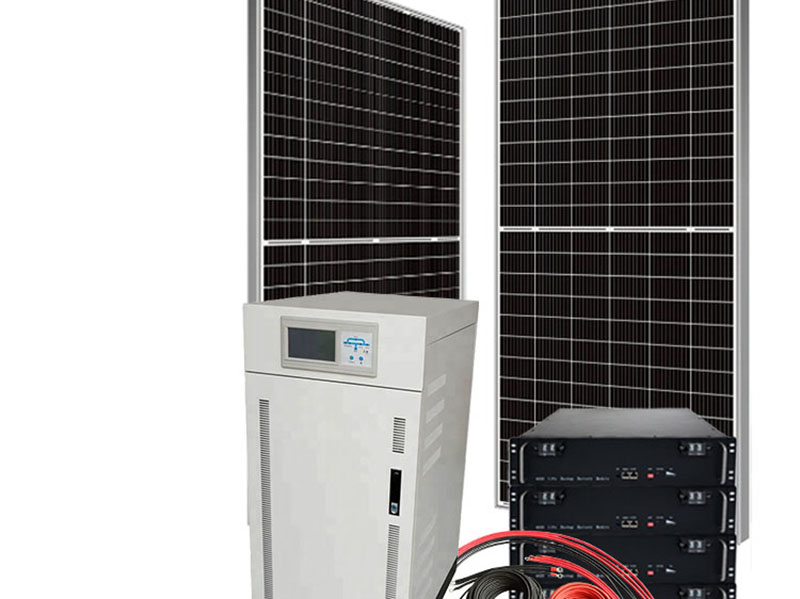
How to Choose the Right ESS Battery for Your Project?
Energy Capacity
Determine how much energy needs to be stored and for how long. This will help you select the appropriate battery size and capacity.
Discharge Duration
Assess how long the battery needs to supply power during outages or peak demand periods. For instance, a short discharge duration may be suitable for peak shaving, whereas a longer duration is required for backup power applications.
Efficiency
Check the battery's round-trip efficiency—the ratio of the energy discharged to the energy stored. Higher-efficiency batteries deliver superior performance and result in lower operating costs.
Lifespan and Cycle Life
Consider the battery's overall lifespan and cycle life (the number of charge-discharge cycles it can undergo before its capacity degrades significantly). Batteries with a longer lifespan prove to be more cost-effective in the long run.
Cost
While the upfront cost of lithium-ion batteries tends to be higher, their longevity and high efficiency make them a sound investment. However, depending on your budget—and for smaller-scale or less demanding applications—you may opt for lower-cost alternatives, such as lead-acid batteries.
Temperature Range
Certain types of batteries perform optimally within specific temperature ranges. Ensure that the battery you select is capable of operating effectively within the climatic conditions of your region.
Scalability
Consider whether you may need to expand your system in the future. Some battery technologies—such as flow batteries—are more easily scalable than others.