What Is a Residential Energy Storage System? Why Is It So Important?
A Residential Energy Storage System (RESS) is a solution designed specifically for homes to store electrical energy for later use. It typically consists of battery modules, a Battery Management System (BMS), an inverter, and an Energy Management System (EMS). These components work in concert to enable households to store surplus electricity, optimize consumption patterns, and enhance overall energy efficiency.
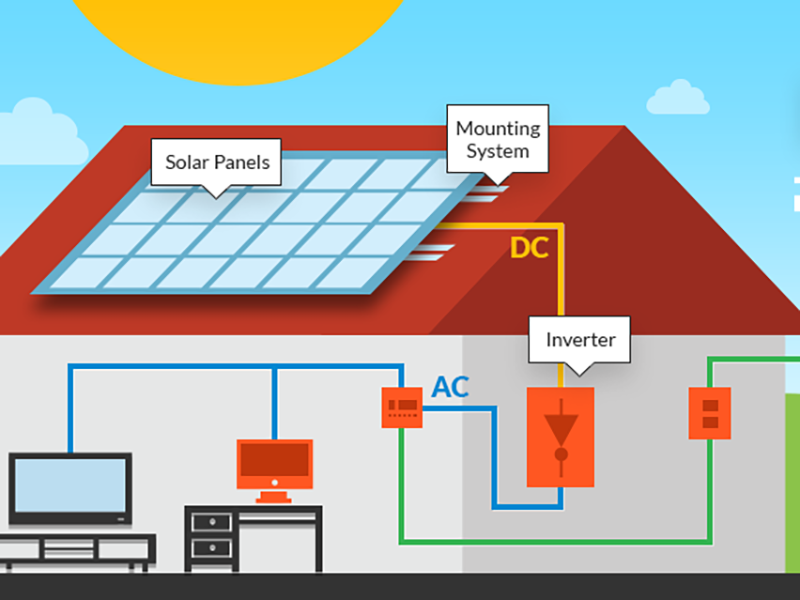
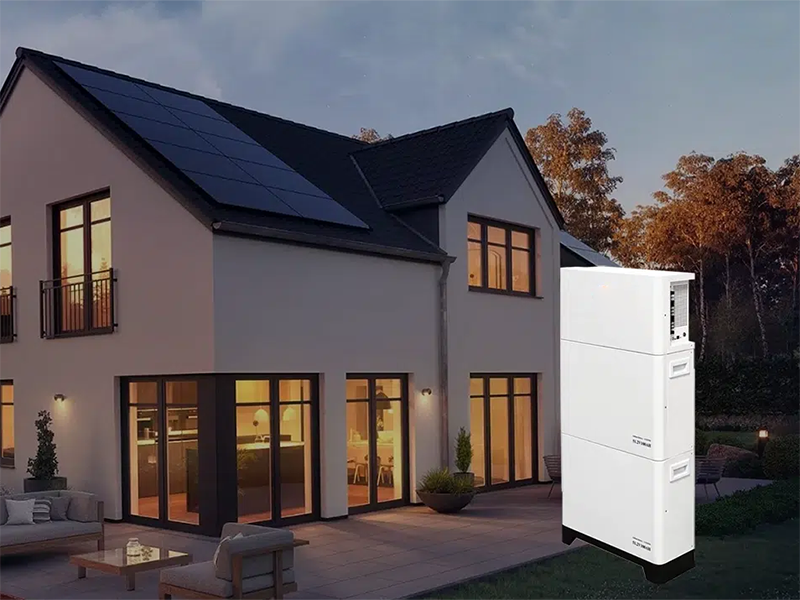
In a typical "solar-plus-storage" configuration, rooftop photovoltaic (PV) panels generate electricity during the day. When generation exceeds the household's immediate demand, the surplus energy can either be fed back into the utility grid or stored in the battery system. By storing this excess energy, homeowners can draw upon it during the night or during peak demand periods, thereby reducing their reliance on the grid and lowering electricity bills.
Scalable systems—such as stackable residential energy storage units ranging from 5 kWh to 80 kWh, and wall-mounted batteries ranging from 5 kWh to 10 kWh—offer flexible and diverse options for households of varying sizes. Over time, these systems can also be expanded in capacity as needed, allowing them to adapt to a household's evolving energy requirements.
How Residential Energy Storage Systems Work in Tandem with PV Systems
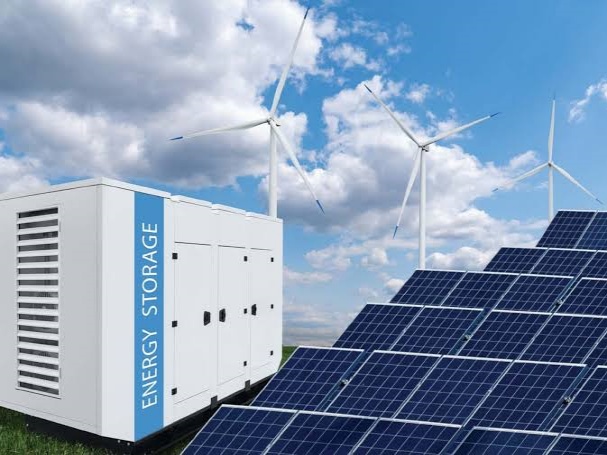
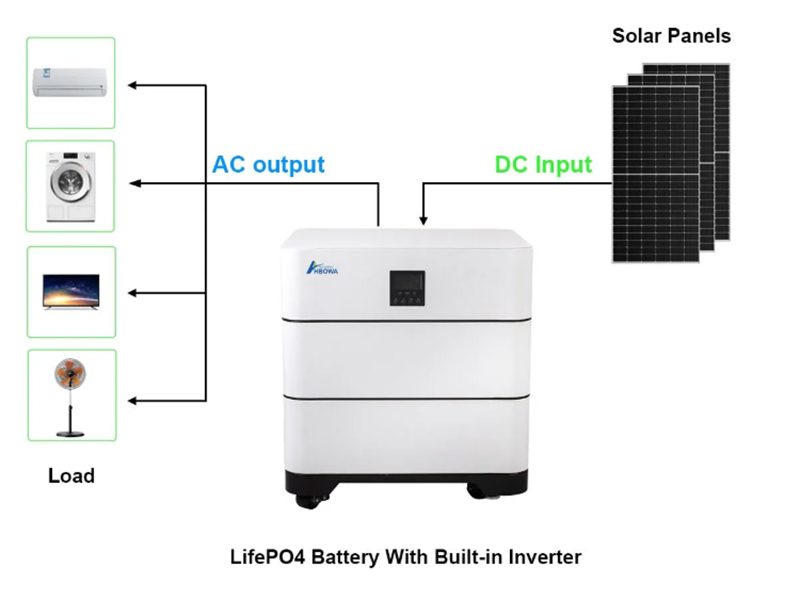
Residential energy storage systems are typically integrated with photovoltaic power generation systems to form a small-scale microgrid. The operating principle is straightforward: PV-generated electricity is prioritized to meet the household's immediate load demands; when there is a surplus of generation, the excess energy charges the battery; conversely, when PV generation is insufficient, the battery discharges to power the household loads.
This synergistic operation relies primarily on hybrid inverters and intelligent control systems. The hybrid inverter manages the flow of energy between the PV panels, the battery, and the utility grid, thereby ensuring smooth system operation and seamless transitions between power sources.
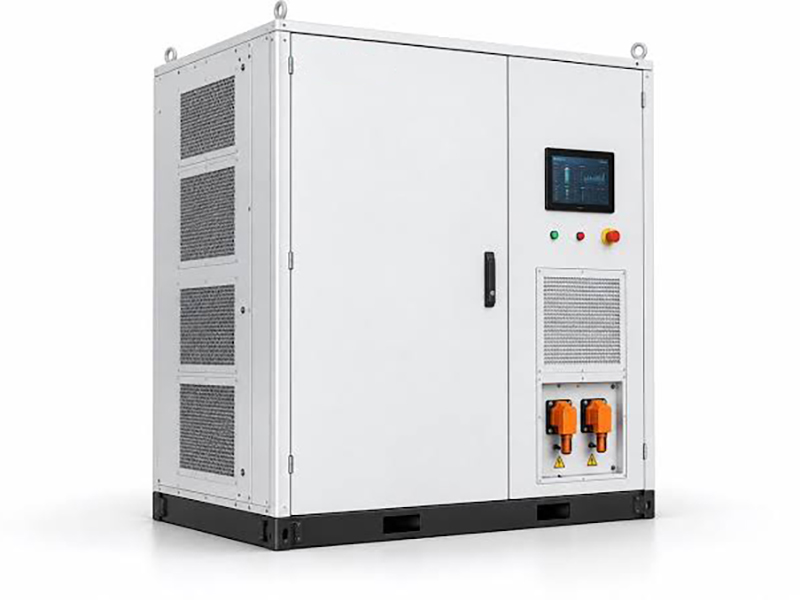
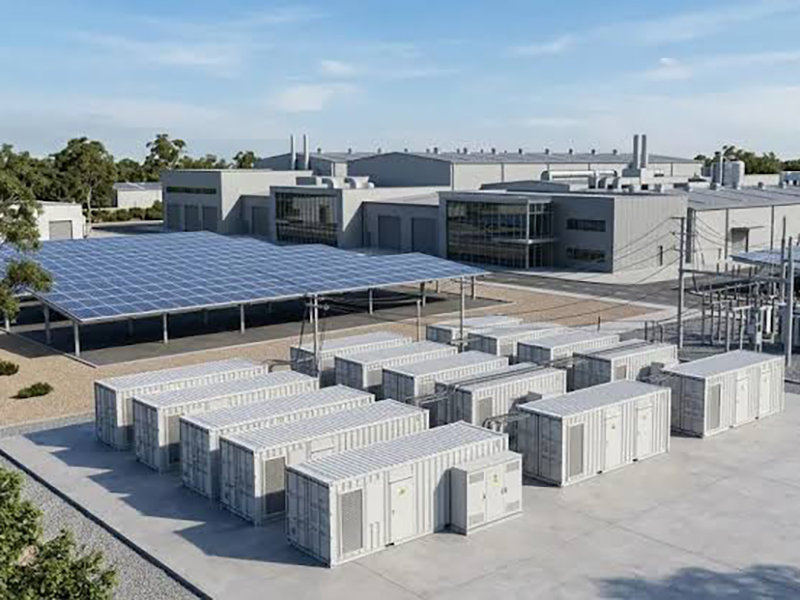
For users requiring greater energy storage capacity, rack-mounted battery cabinet systems offer enhanced scalability and structural stability; these systems are suitable not only for residential homes but also for small-scale commercial applications. Key Technical Characteristics of Residential Energy Storage Systems
The performance of a residential energy storage system depends on several critical factors, among which the battery chemistry (i.e., battery materials) is one of the most significant. Lithium iron phosphate (LFP) batteries are widely adopted due to their exceptional thermal stability, safety, and long cycle life—often exceeding 6,000 to 8,000 cycles.
The Battery Management System (BMS) plays a pivotal role in monitoring voltage, current, and temperature; it not only ensures the safe operation of the system but also effectively mitigates safety risks such as overcharging, over-discharging, and thermal runaway.
Thermal management technology constitutes another equally indispensable component. Air-cooling systems are commonly employed in smaller systems, whereas liquid-cooling technology is predominantly utilized in high-capacity or high-density systems, aiming to maintain temperature uniformity and extend the battery's service life.