A home solar system is not only an excellent way to reduce your household's reliance on the power grid, but it also effectively lowers your carbon footprint. Moreover—even setting these factors aside—installing a solar system can, in certain circumstances, serve as a highly efficient means of reducing energy expenses and, consequently, saving you money.
However, much like your home's HVAC, plumbing, or electrical systems, a solar panel system requires periodic inspection and maintenance to ensure its continued, stable operation. Outlined below are some general maintenance recommendations.
1. Conduct Regular Visual Inspections of Solar Panels
The simplest yet most effective measure you can take is to regularly inspect your home's solar panels (and other components) to ensure they are functioning properly, remain intact, and are free from potential risks of damage.
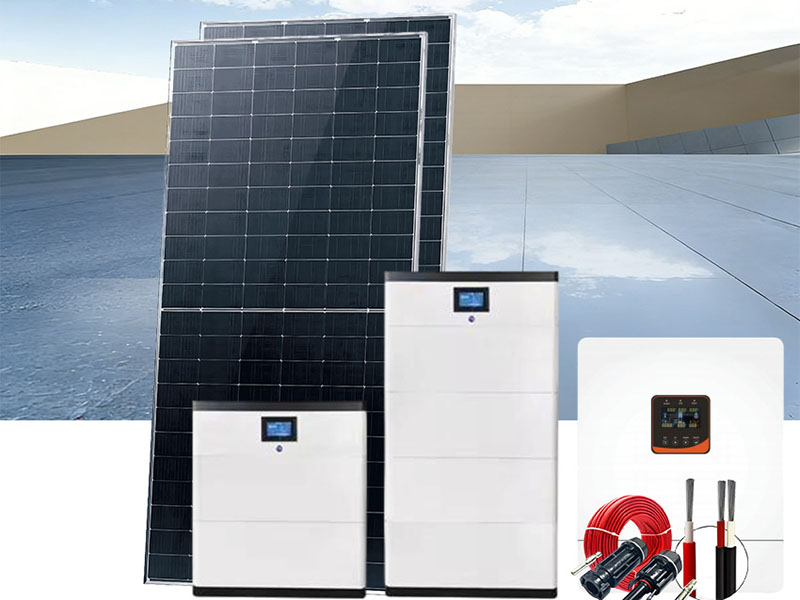
Carefully examine the solar panels for any cracks, wear, breakage, loose parts, or obstructions; accumulated snow, fallen leaves, and other debris can hinder the system's ability to efficiently harvest solar energy. Additionally, inspect the connectors, cables, and junction boxes, looking for any signs of damage—including, but not limited to, fraying, exposed wiring, and damage caused by severe weather or pests.
2. Keep the Panels Clean
In addition to conducting visual inspections, keeping your solar panels clean is a crucial step in ensuring their proper operation. Leaves, snow, ice, dust, pollen, and other debris can accumulate on or obstruct the panels, thereby hindering the photovoltaic cells from efficiently absorbing solar energy.
In most cases, if your solar panels are easily accessible, cleaning them yourself is a completely safe and viable option. You can use a garden hose to spray water at an angle, rinsing away any accumulated debris.
If simple rinsing does not suffice to thoroughly clean the panels, you may switch to using warm water and a mild detergent, scrubbing them thoroughly with a cloth, mop, or sponge; once finished, be sure to rinse them completely and allow them to air dry naturally.
However, one point is absolutely critical: you must perform the cleaning only during the early morning or late evening hours. Never attempt to wash the panels at midday when they are hot, as the sudden contact of water with a heated panel could cause it to crack.
Alternatively, you may choose to hire a local professional service provider to clean your solar panels for you; numerous companies across the country now specialize in offering such cleaning services, as well as other related solar panel maintenance solutions.
3. Install Pest Control Measures to Protect Your Solar Panel System
Residential solar systems—particularly those mounted on rooftops with gaps underneath—often face a vexing issue: they act as a magnet for pests. Squirrels, various types of rodents, raccoons, pigeons, and other nuisance animals frequently utilize these installations as shelter; not only do they build nests within the voids beneath the panels, but they also gnaw on electrical wiring during the nesting process.
These pests and their nests pose a serious fire hazard, thereby threatening the safety of your property, as well as your personal health and physical safety. Consequently, it is crucial to ensure that your solar system does not become a haven for these pests, thereby sparing you from the myriad complications that inevitably follow.
Regular inspections can help identify issues before the damage escalates; however, the optimal strategy remains "prevention first." There are currently various solutions available on the market: you can purchase specialized cable clips to organize and secure the wiring, and additionally encase the cables in protective sheathing. Furthermore, you can install specialized protective mesh barriers to completely block these pests from gaining access. It is highly recommended that you implement these protective measures immediately after the installation of your solar panel system to nip potential hazards in the bud.
4. Inspect the Cables
Finally, you should also inspect the cables on a regular basis. To simplify the process, consider scheduling this inspection to coincide with your solar panel maintenance routine.
Carefully examine the cables for any signs of aging caused by UV exposure, loose connections, wear and tear, damaged insulation, or biological damage—such as gnawing by insects or rodents. If any damaged cables are discovered, they should be replaced immediately; similarly, if any loose connections are found, they should be tightened without delay.