A house powered by solar whether grid tied or completely off grid is no longer a futuristic idea—it's a rapidly growing reality for families looking to reduce or eliminate electric bills, increase home value, and gain true energy independence. With modern technology, scalable systems, and accessible financing, solar has become one of the smartest home upgrades available today.
In this guide, we’ll explore the question of, is my home good for solar, as well as, am I ready for the off grid solar lifestyle or should I add solar to my grid tied system?
How do solar panels work on a house?
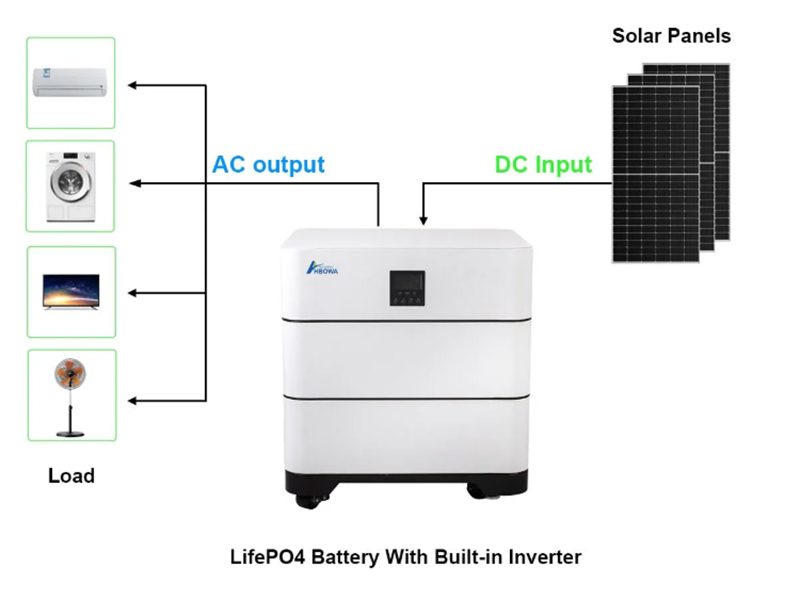
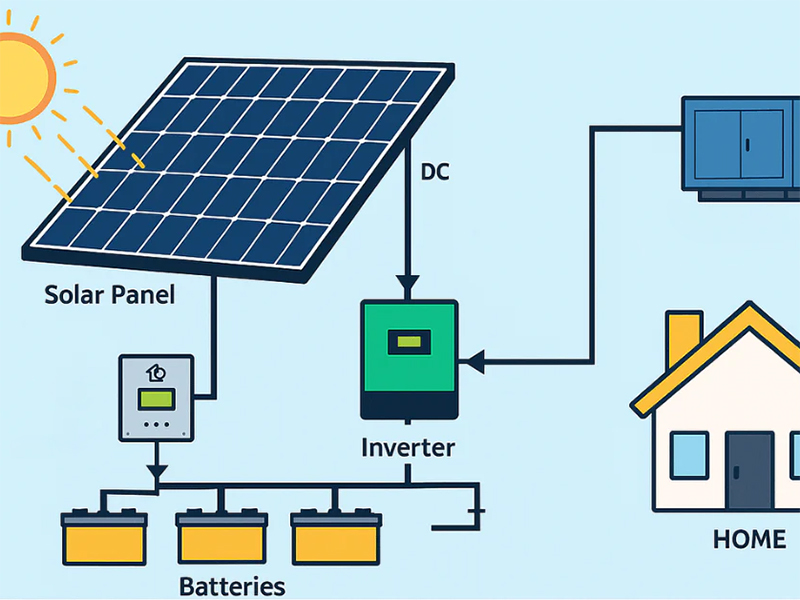
Solar panels work by converting sunlight into electricity through photovoltaic cells that produce DC power, which is then transformed into AC power through an inverter. This energy powers your lights, appliances, and devices throughout the day, and when combined with lithium batteries, it also provides nighttime and backup electricity.
Is my home good for solar? (Off grid or grid tied)
Most homes are good candidates for some type of solar, especially if you have:
A roof with direct sunlight for 4–6 hours per day
Adequate space for roof or ground-mounted panels needed for your homes energy consumption
Increasing grid energy consumption and a desire to reduce costs
A desire for long-term energy savings
A desire for energy independence
If you're unsure whether your home is suitable for solar, consider getting a personalized evaluation based on your property, roof structure, and energy usage.
Am I a good match for off grid for solar?
Most people who are considering off grid solar are usually good candidates, especially if you:
Desire true energy independence
Are independent and acknowledge that YOU are your power company and as such, are tasked with; understanding your system and its components, system maintenance, upkeep, life cycling system components and at times, system troubleshooting and programming.
Desire to live in a location where grid power is limited or unavailable
Desire long-term energy cost savings
Pros and cons of solar energy
Before transitioning to a house powered by solar, it’s important to understand the realistic benefits and considerations of solar energy.
Pros
Lower electric bills and lifetime savings
Backup power when paired with lithium batteries
Clean, renewable energy with zero emissions
Increased home value
Scalable systems that grow with your needs
Quiet and reliable operation
Cons
Requires an upfront investment
Site layout, roof shading or orientation may affect efficiency
Needs proper system sizing and installation
Requires some maintenance and interaction from homeowner
If cost is a concern, you can use financing options to make the transition more accessible and affordable.