
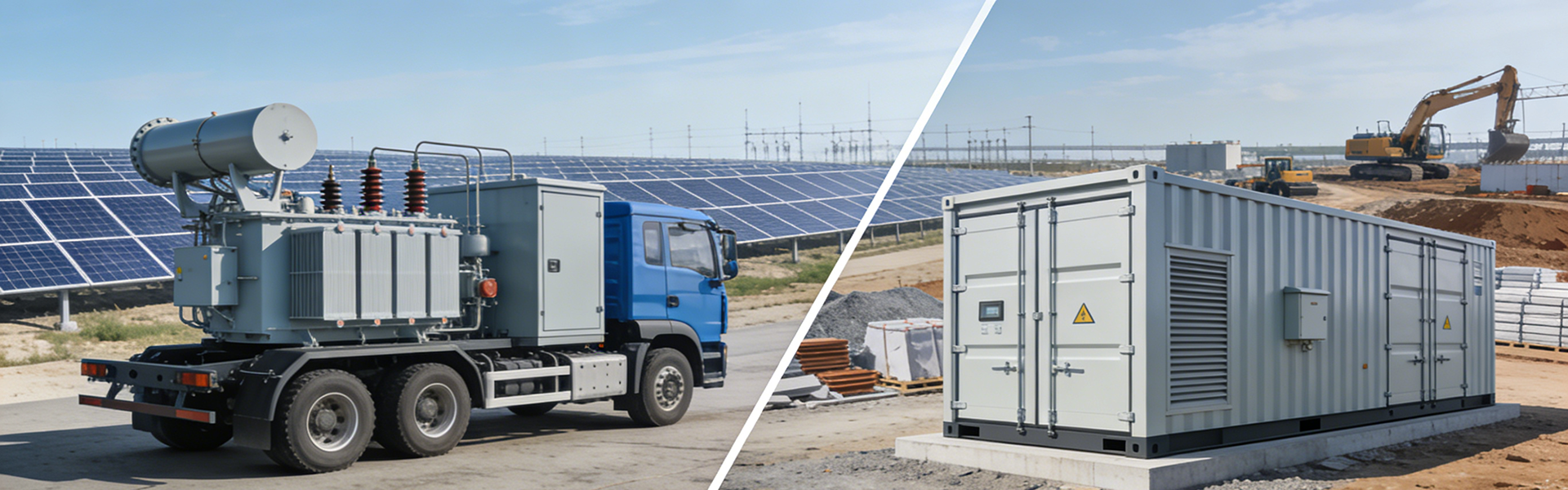
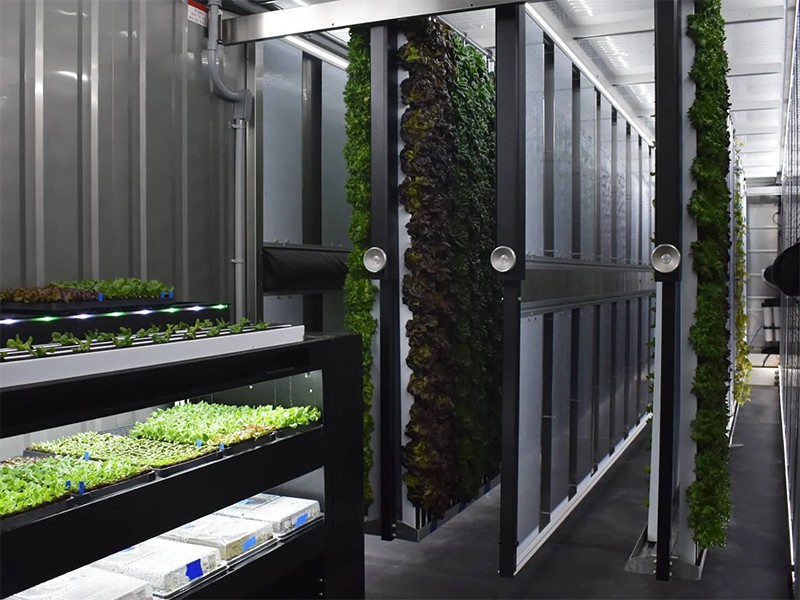
Container farms feature a compact structure that facilitates transport via road or rail, while requiring a minimal footprint. This means they can integrate seamlessly into rural landscapes or be established within urban communities—provided, of course, that they comply with local zoning regulations. Thanks to their internal water recirculation systems, container farms consume approximately 90% less water than a typical 1.5-acre open-field farm.
Container farms enable the extension of the growing season for local fruits, vegetables, and even livestock feed, while also helping to address water scarcity challenges during periods of drought. This capacity for indoor cultivation vividly demonstrates the immense economic potential inherent in local urban agriculture.