
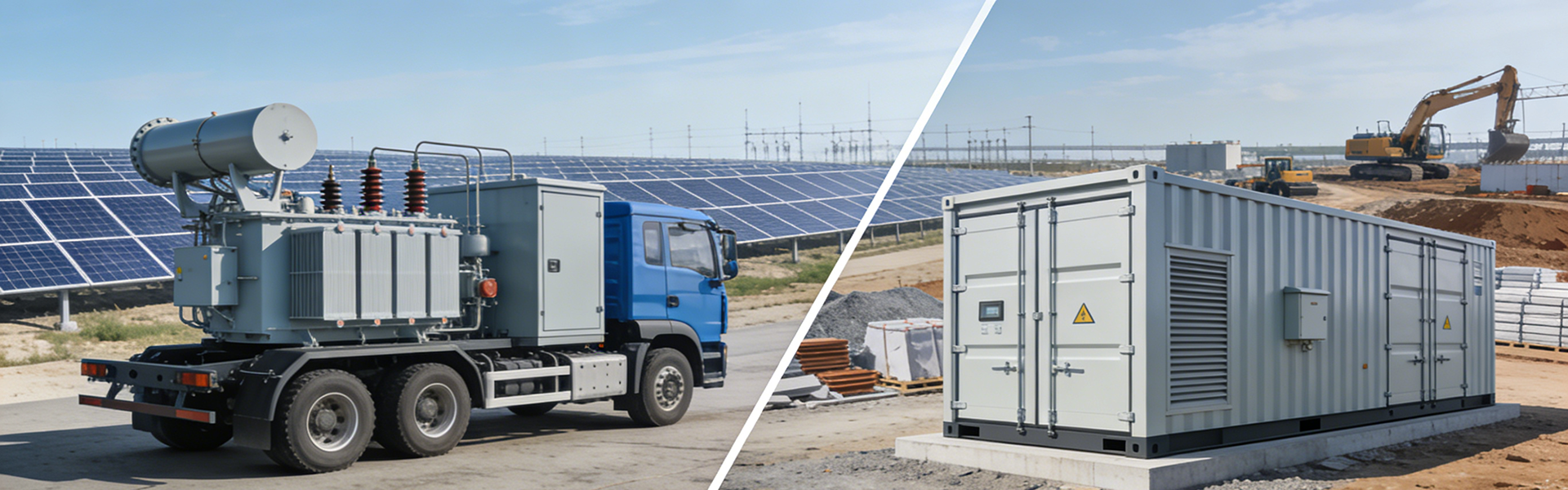
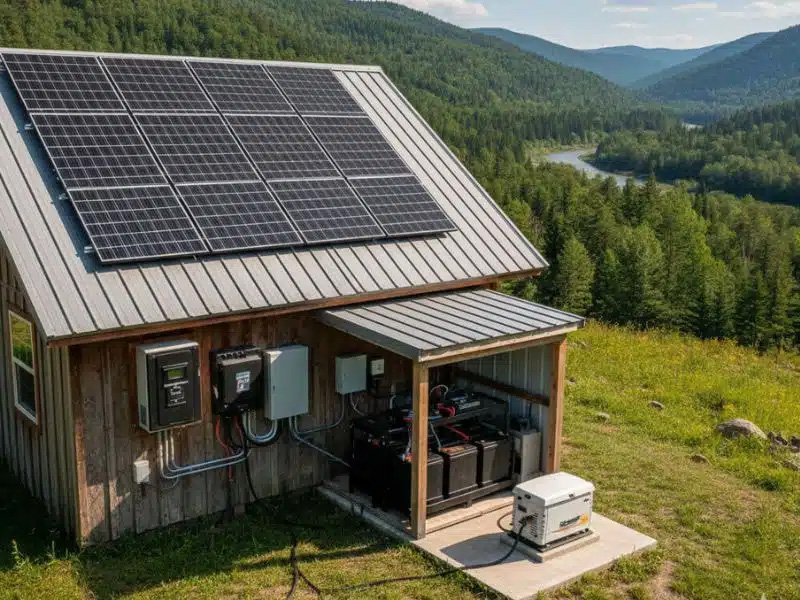
An off-grid solar system operates independently from the national electricity grid. It consists of solar panels, a battery storage system, an inverter, and other components that generate, store, and use electricity. This system is ideal for homes in remote areas or places where grid power is unavailable or unreliable.
How It Works:
• Solar Panels: Capture sunlight and convert it into DC electricity.
• Inverter: Converts DC electricity into AC power for household use.
• Batteries: Store excess electricity generated during the day for use at night or during cloudy periods.
Advantages of Off-Grid Solar Systems:
• Energy Independence: Ideal for remote locations with unreliable grid access.
• Lower Electricity Costs: No ongoing electricity bills from utilities.
• Sustainability: Fully powered by renewable energy, reducing environmental impact.
Disadvantages:
• Higher Initial Cost: More expensive due to the need for battery storage.
• Limited Energy Supply: Dependent on battery storage, which can run out if overused.
• Ongoing Maintenance: Batteries require regular maintenance and replacement.